4 minute read
Journey Costa Rica’s Citizen Science program is a curated series of experiences that brings guests shoulder to shoulder with researchers, conservationists, and biologists out in the field in Costa Rica.
Ask a child what they want to be when they grow up and you’ll often hear the same answers. Astronaut. Firefighter. Scientist. We are born curious, and instinctively drawn to nature: the ladybug on a finger, the petals flying off into the breeze, the rockpool that could keep you occupied for hours. But for many of us, as life gets more serious, that curiosity shifts. We begin to step back.
The novelist Richard Powers wrote about the need to close the gap between people and nature; to replace abstraction with encounter. “Because we protect what we love, and we love what we know”, as Javier, Co-Founder of Journey Costa Rica, puts it. We see that instinct play out in the way our guests travel. They are not content to simply turn up, observe, and leave; they want to get closer, ask questions, and play an active role in what they’re experiencing. Our Citizen Science program grew from that appetite.
Listening for Whales with Marine Researchers
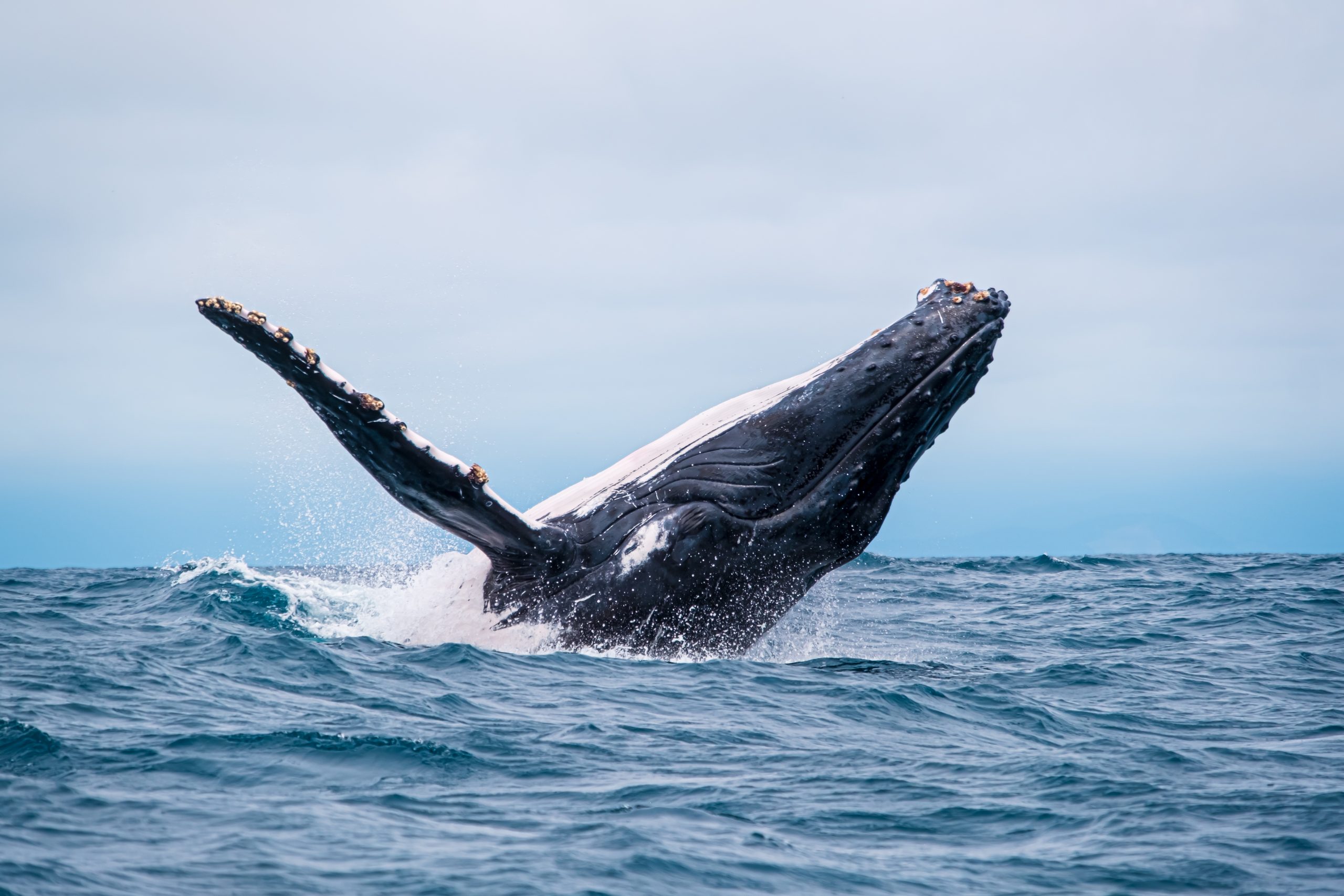
At dawn, Costa Rica’s Golfo Dulce is blissfully still. The water is glassy, the light soft and gold. The only sound is the low hum of the research vessel carrying you out across one of the most biodiverse marine environments in the Americas. But you’re certainly not on one of those ‘tour boats’. There are no commentary speakers, no other passengers jostling for position with cameras at the ready. There is a marine biologist beside you, and a hydrophone in your hands.
You lower it into the water. You’re listening for whales.
What comes back is a signal. Your heart starts to beat a little faster. Ahead of you the water breaks open: a humpback whale appears, as if in slow motion, and then it’s gone. With the researcher at your side, you get to work recording the details of your sighting – information that feeds directly into the population monitoring of this species. Data that didn’t exist an hour ago.
What is Citizen Science?
This intimate encounter with a humpback is a glimpse into Journey’s Citizen Science program, where guests take part in real, active fieldwork alongside the experts who dedicate their lives to protecting Costa Rica’s wildlife and ecosystems. These experiences are designed to sit within a wider itinerary, and at their heart are deep, long-standing partnerships with leading NGOs and research organizations. Through these relationships, we offer something that will change the way you see the world: the chance to step beyond observation and into active conservation work. For younger guests, that can be especially powerful – hands-on encounters with nature that simply can’t be taught in a classroom.
The Program in Action: From Turtle Nests to Jaguar Trails
Since launching, hundreds of Journey guests have stepped into the heart of Costa Rica’s conservation story, and those experiences take many forms.
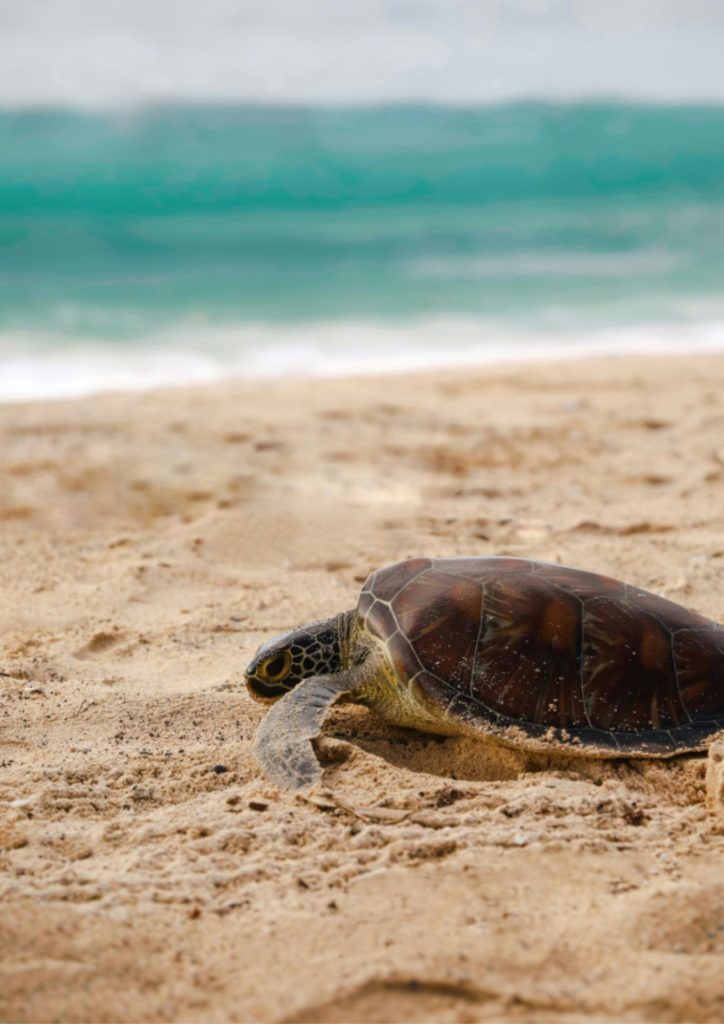
Over on the Osa Peninsula, as night falls, a hawksbill turtle has come ashore to nest. Headlamps on, you work side by side with a marine biologist to watch, assist and record, as she moves with a slow, ancient certainty. As she turns back toward the ocean, you watch her go. You’ve developed an undeniable affection for this remarkable creature, knowing that your contribution feeds directly into a monitoring program working to bring these turtles back from the brink.
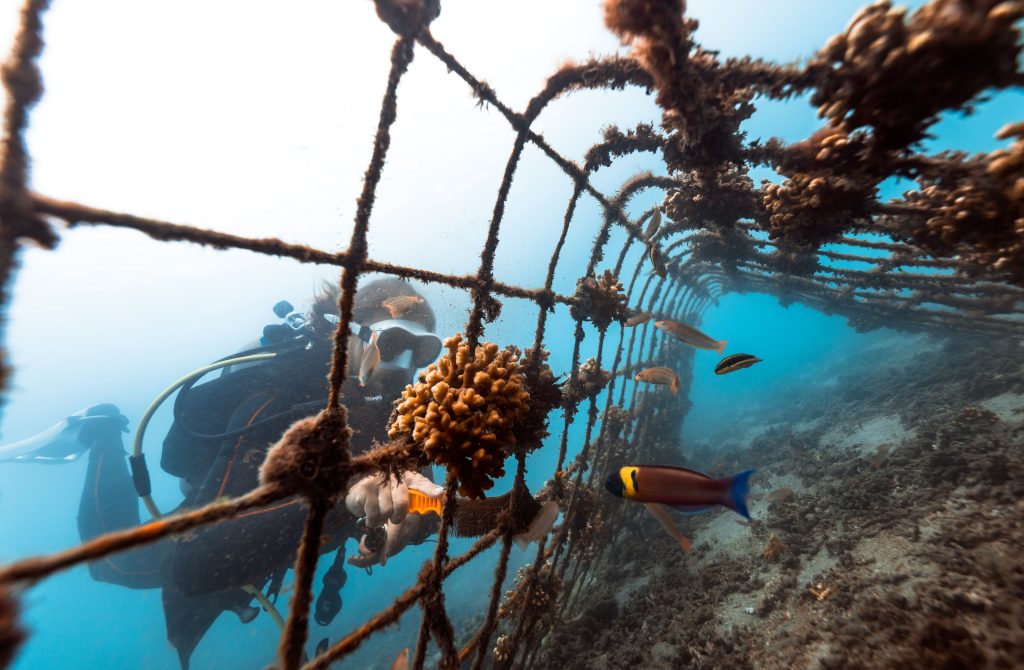
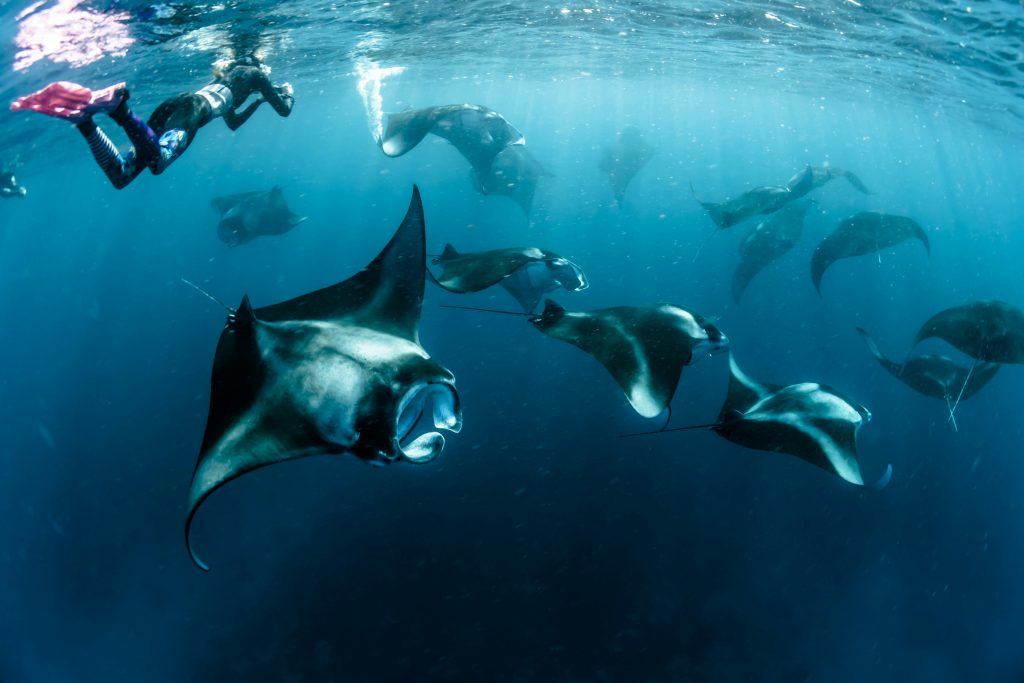
Osa offers more still. Head out with Misión Tiburón aboard a dedicated expedition boat, assisting scientists as they tag and track hammerhead sharks, an endangered species navigating increasingly threatened waters. Back on shore, knee-deep in the waters of the Golfo Dulce with the team from Osa Ecology, replant seagrass, restore coral, and rebuild the underwater architecture that reef fish, sea turtles and marine invertebrates need to survive.
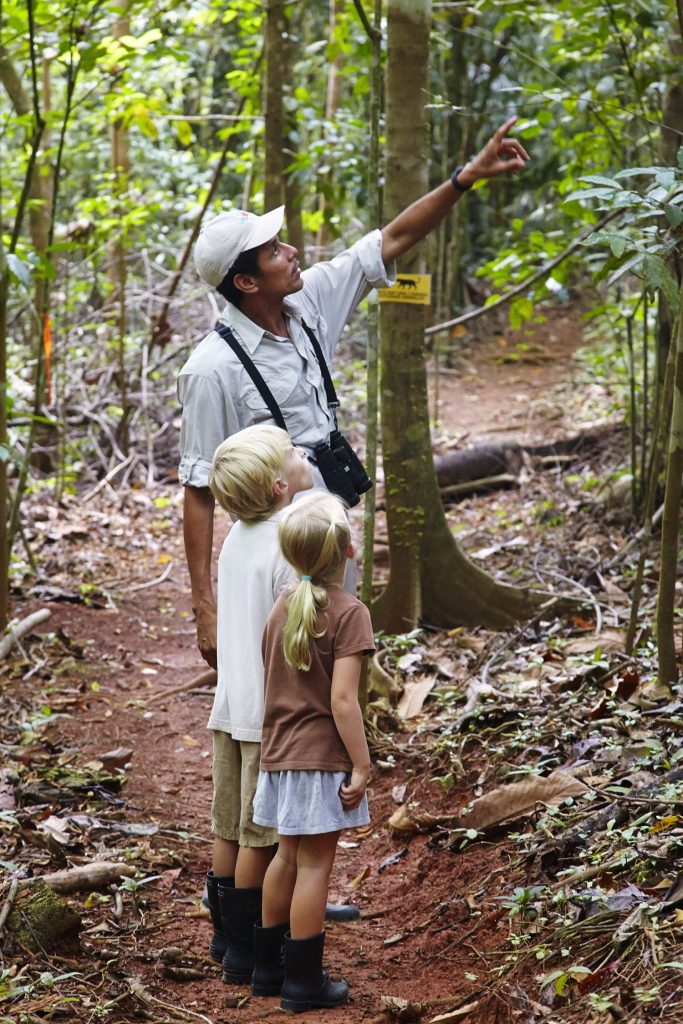
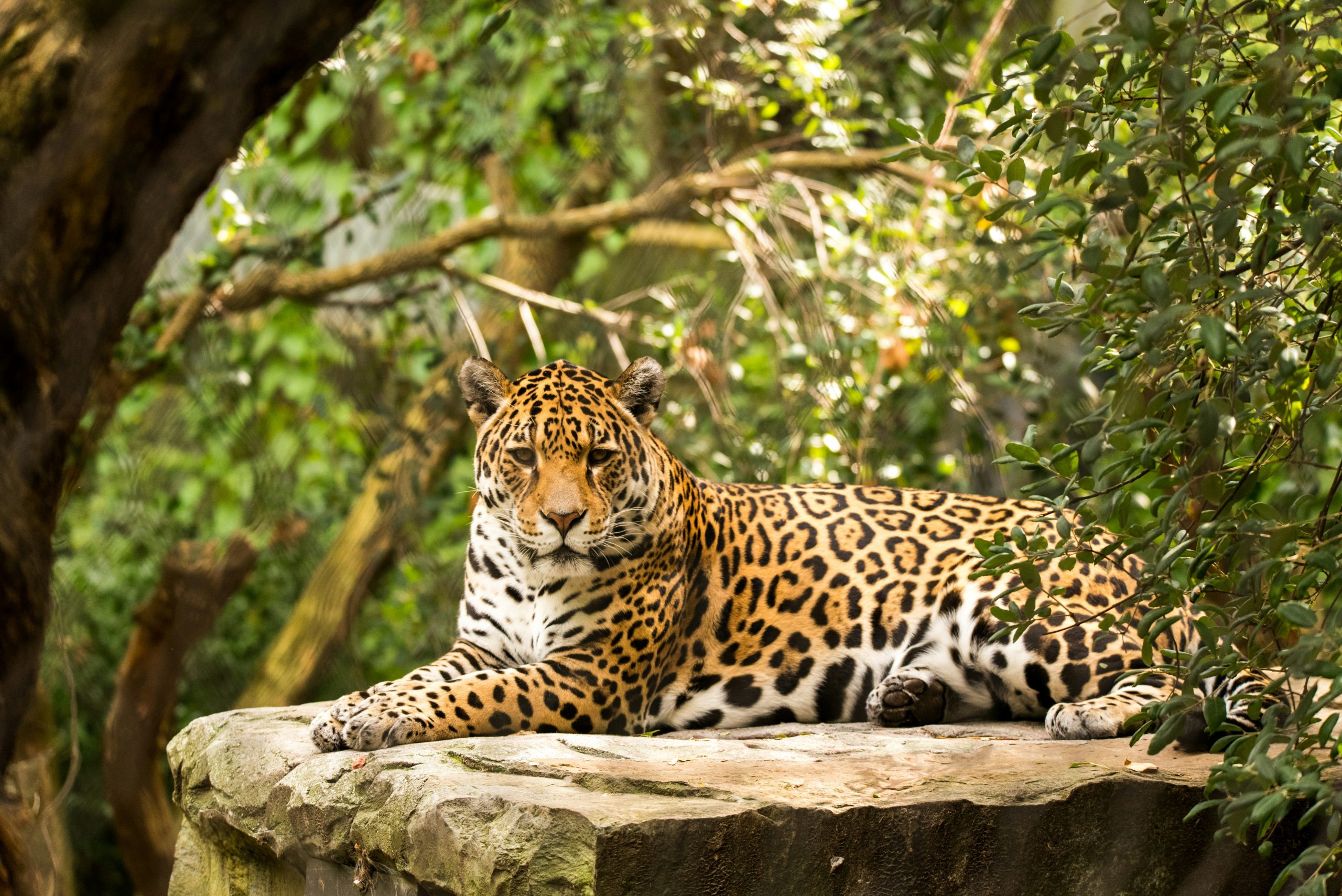
Inland, at the wildlife sanctuaries of Proyecto Asis in Arenal and Alturas near Dominical, the work is just as vital, and has become a firm favorite among our guests. Go behind the scenes with the sanctuary team, preparing food and caring for recovering animals: howler monkeys, toucans, sloths, and many more displaced by the relentless pressure of human activity. In the old-growth forest of the Horizontes Reserve in Guanacaste, walk carefully selected trails with a wildlife biologist; paths that are shared with some of Costa Rica’s most elusive species. Imagine how it must feel as you wait for the footage to load. And then, there it is. A jaguar, staring right back at you.
A New Frontier of Luxury
Luxury travel has always been defined by access. The people you meet, the doors opened to you, and the experiences that remain out of reach for most. Citizen science is a natural expression of that: these are not experiences designed for mass participation. They are small-scale, personal, and reserved for only a handful of guests. This is a new frontier of luxury travel. One shaped by proximity to the natural world and how deeply you are invited into it, with rare access to the people, knowledge, and work shaping Costa Rica’s conservation story.
That sense of curiosity never really leaves us, it just needs the right moment to surface. It’s quite remarkable what a hydrophone in your hands can do.
If you’re ready to follow that curiosity a little further, we’d love to start shaping a journey around it.
Let’s start talking about how we can weave citizen science into your bespoke itinerary.