
Destinations to visit in Costa Rica
Get familiar with Costa Rica´s seven diverse regions, so you´ll know where to find ethereal cloud forests, remote tropical rainforest, and towering volcanoes with geothermal pools. Scroll to the bottom for a taste of Costa Rica´s monthly climate and find the best time to visit Costa Rica.
San Jose & Central Valley Highlands
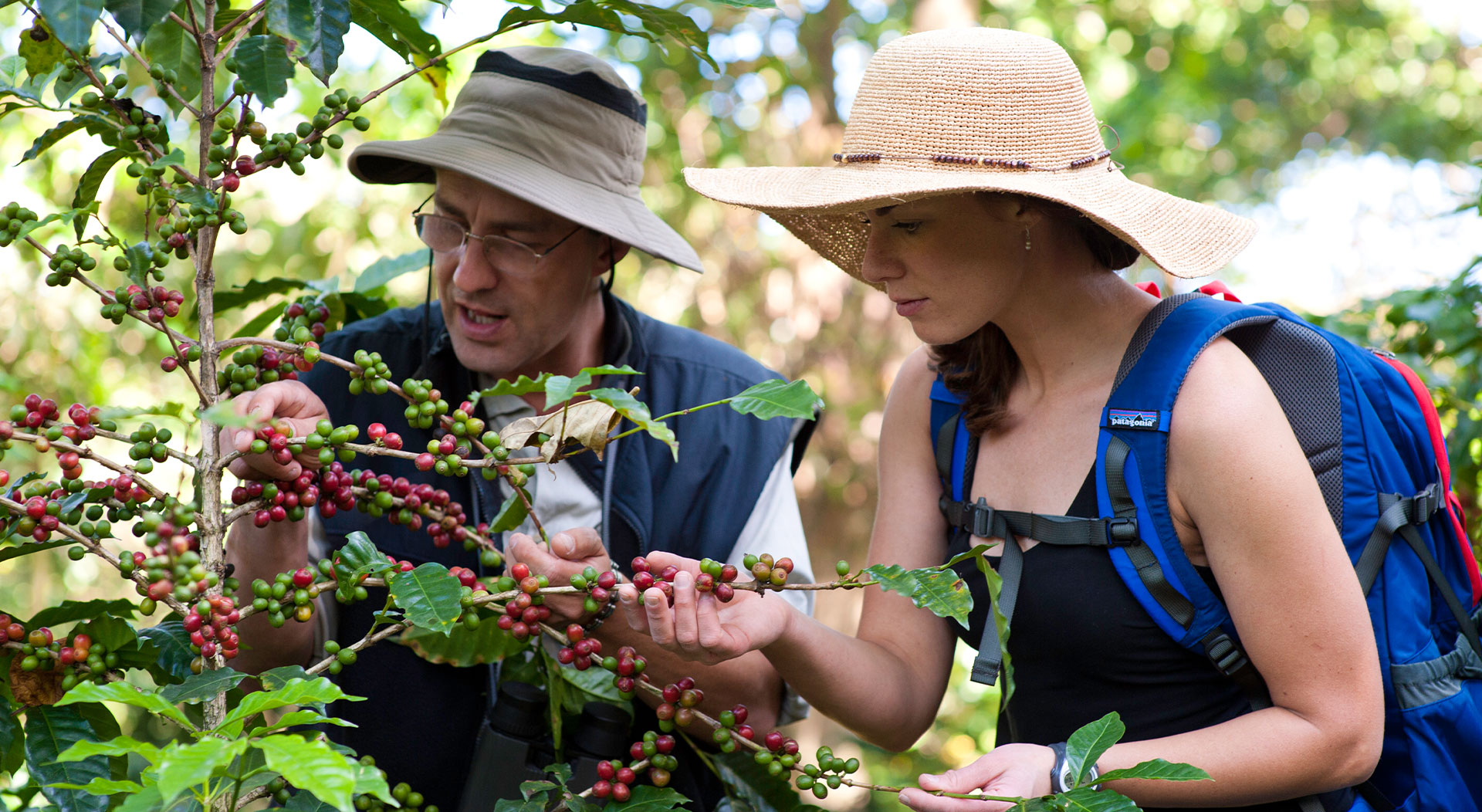
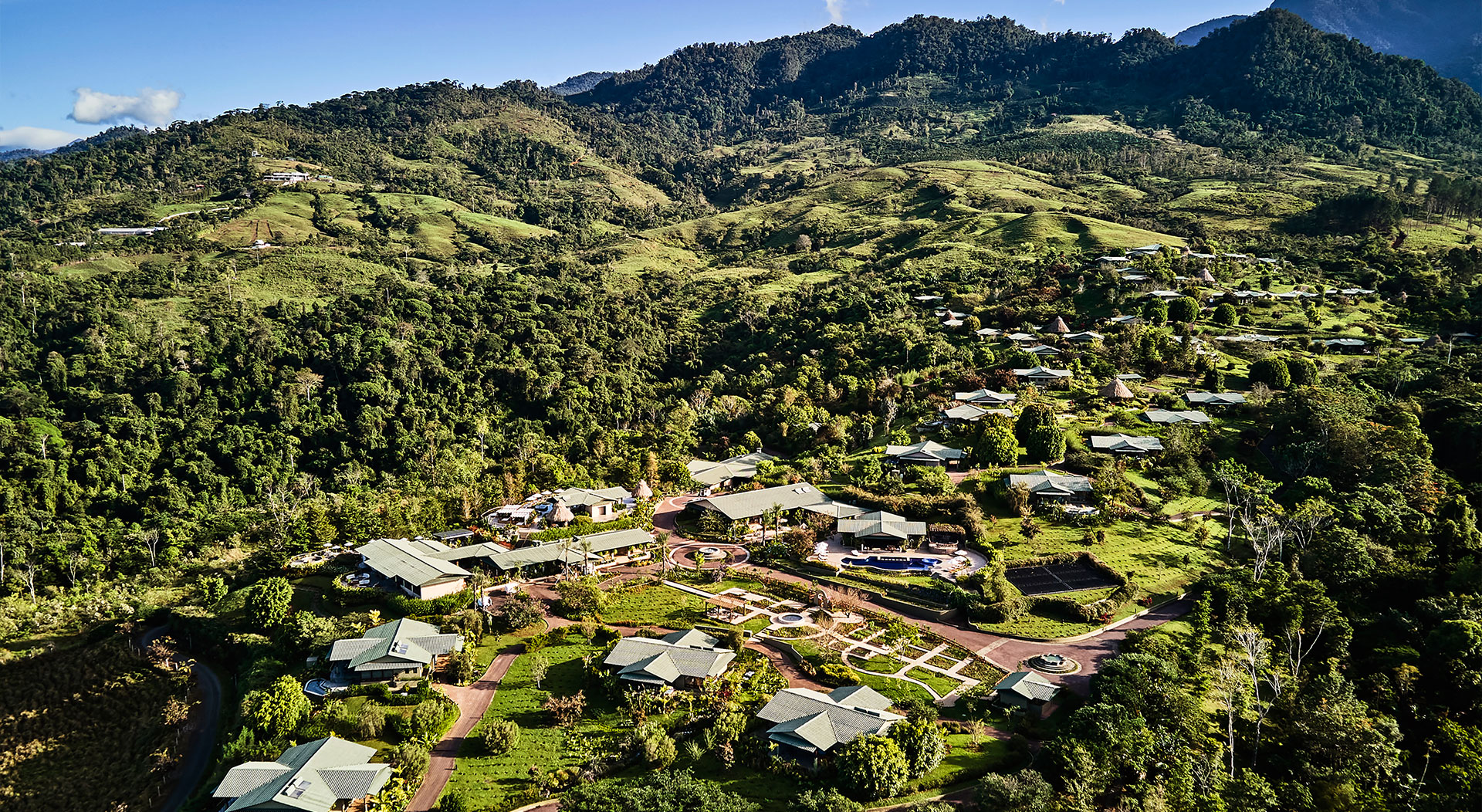
This central region stretches through the heart of Costa Rica, comprising of the country´s capital city, San José, and the rolling countryside, coffee plantations, clusters of cloud forest, and pockets of rainforest that surround it.
San José is Costa Rica´s cultural hub and home to the majority of Ticos (locals!). With Juan Santamaria International Airport just 20 minutes outside the city, it makes a great stop to kick off or close a Costa Rica journey. The city features mainly modern architecture and a handful of colonial-era mansions, particularly in the Barrio Amón district, restored as art galleries, restaurants, and boutique hotels. Teatro Nacional is the city´s beautiful National Theatre, a historic building from the late 19th century showcasing neoclassical architecture and Costa Rica´s fine art. Visitors can enjoy cuisine from around the world, as well as tasty street side costa Rican diners known as ´sodas´.
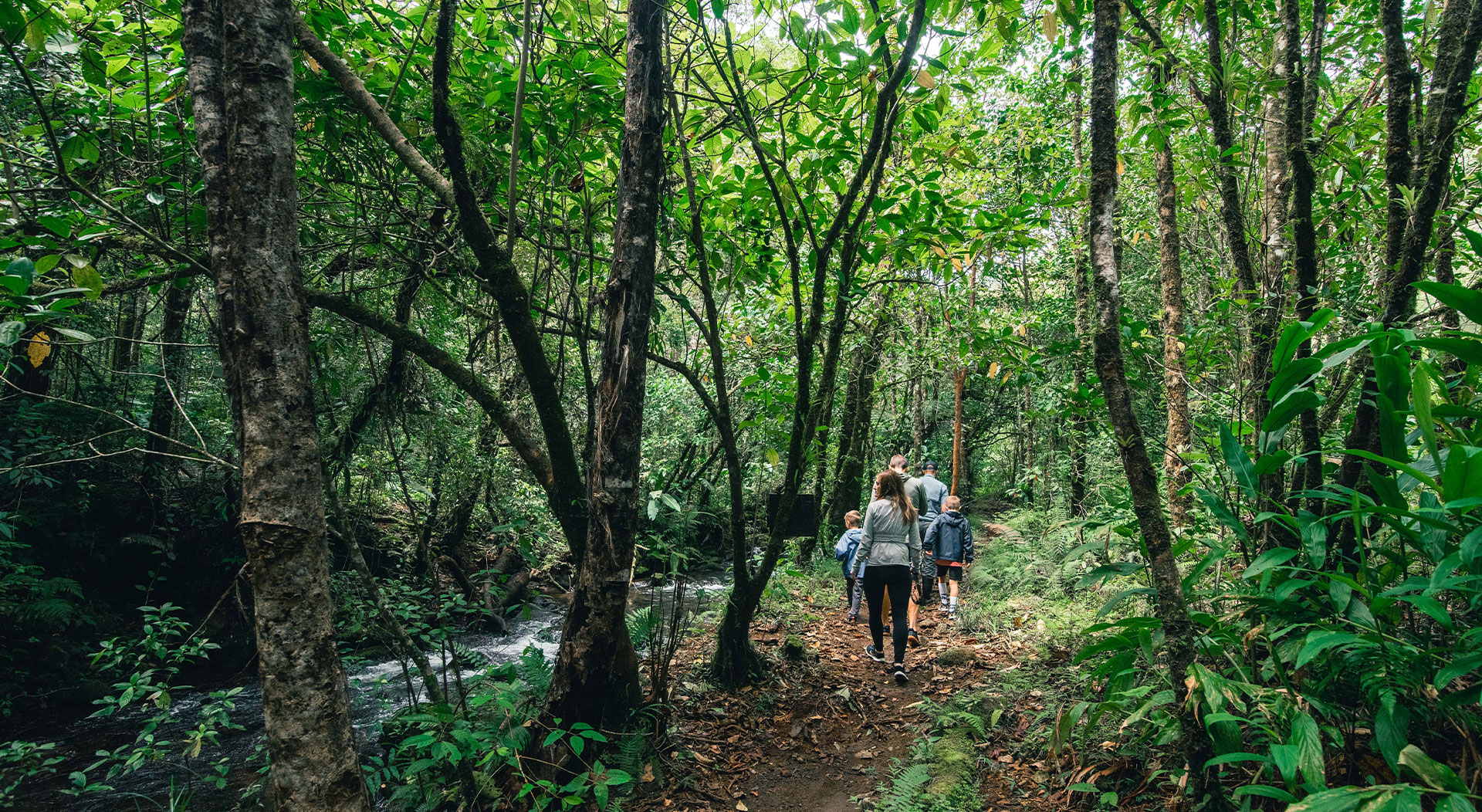
Encircled by the Escazú Mountains and a chain of volcanoes, you can enjoy a city buzz while taking day trips to explore the central valley´s hiking trails, white water rafting, Irazu´s volcanic craters, and the coffee farms around the fertile soils of Poás Volcano.
Caribbean Region
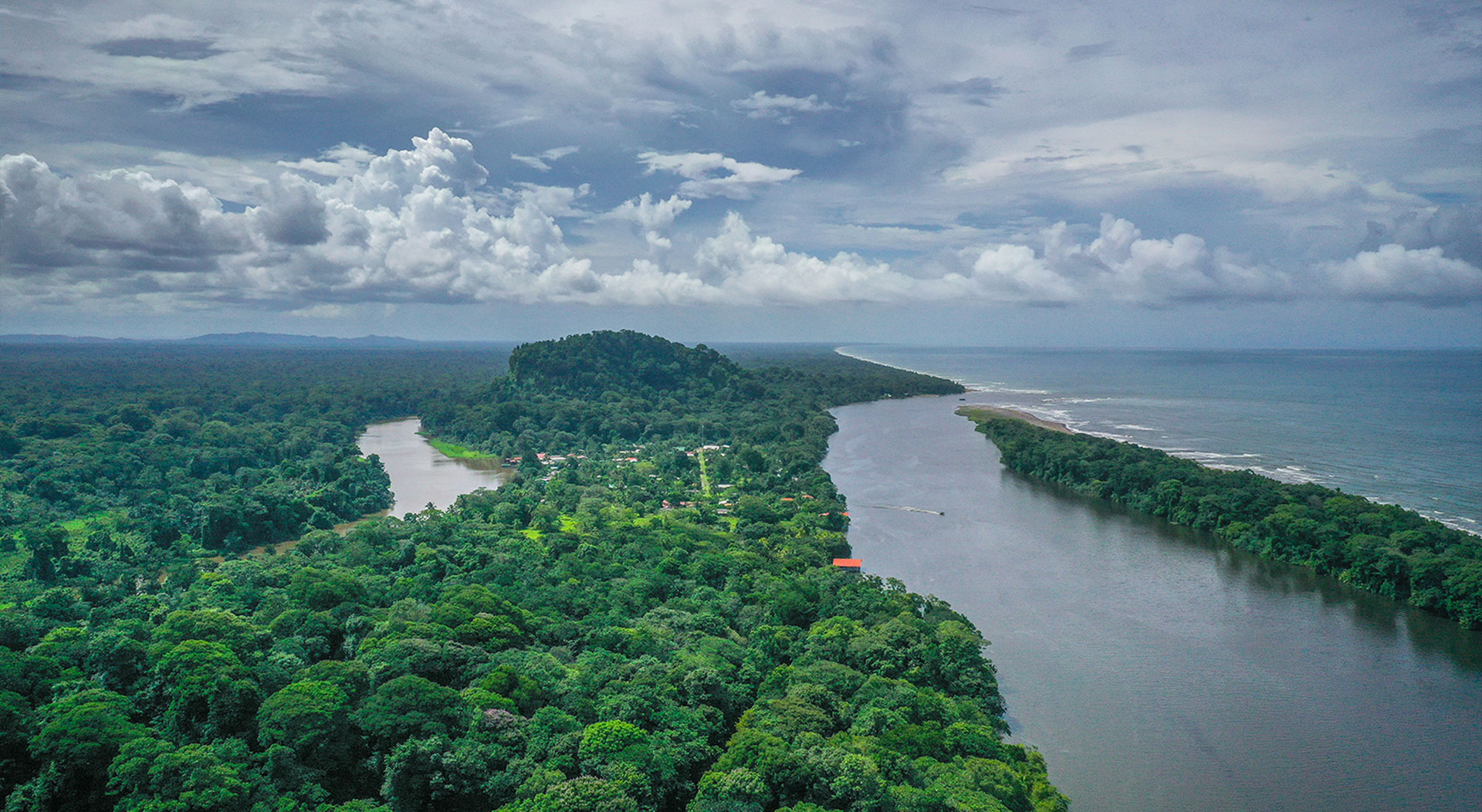
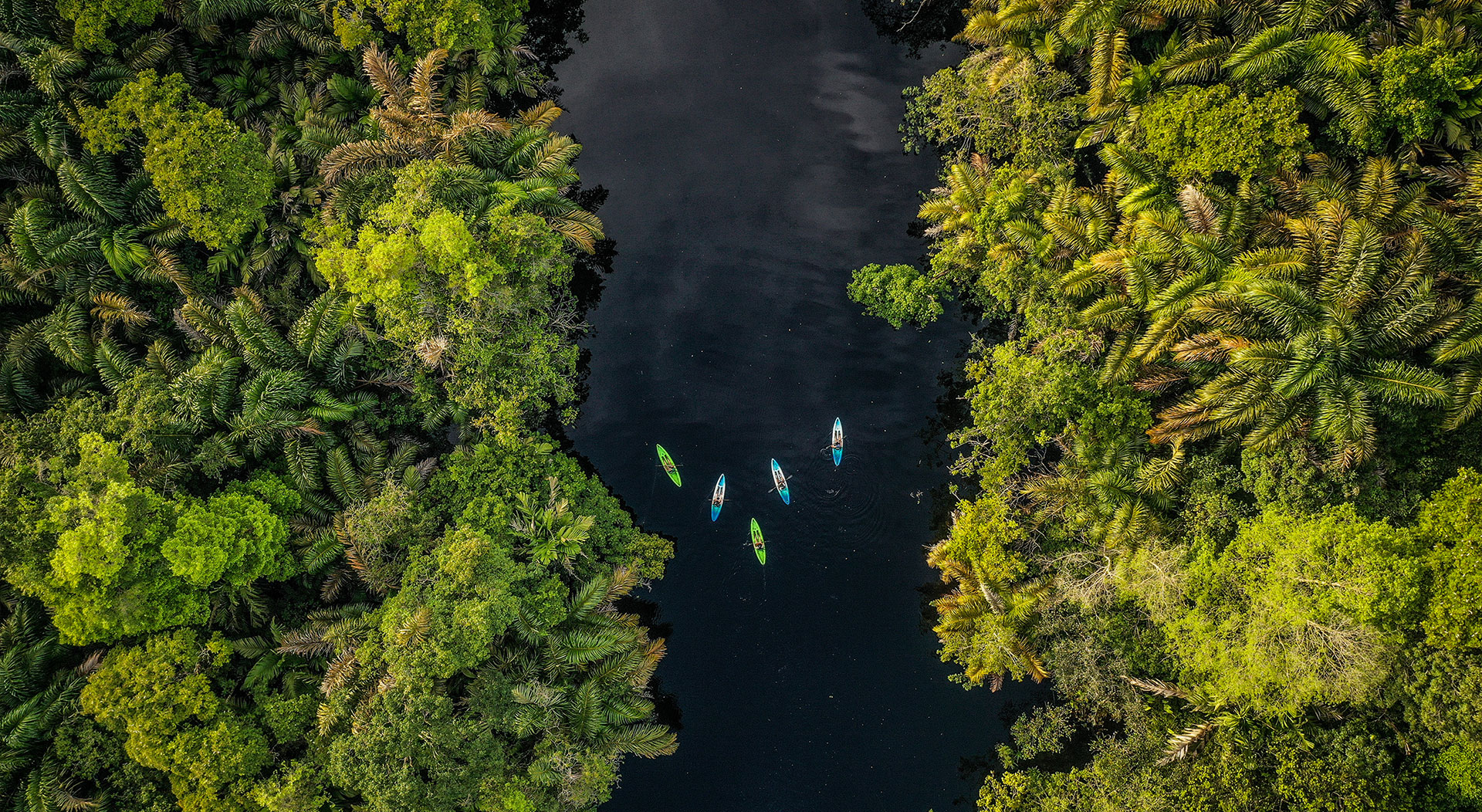
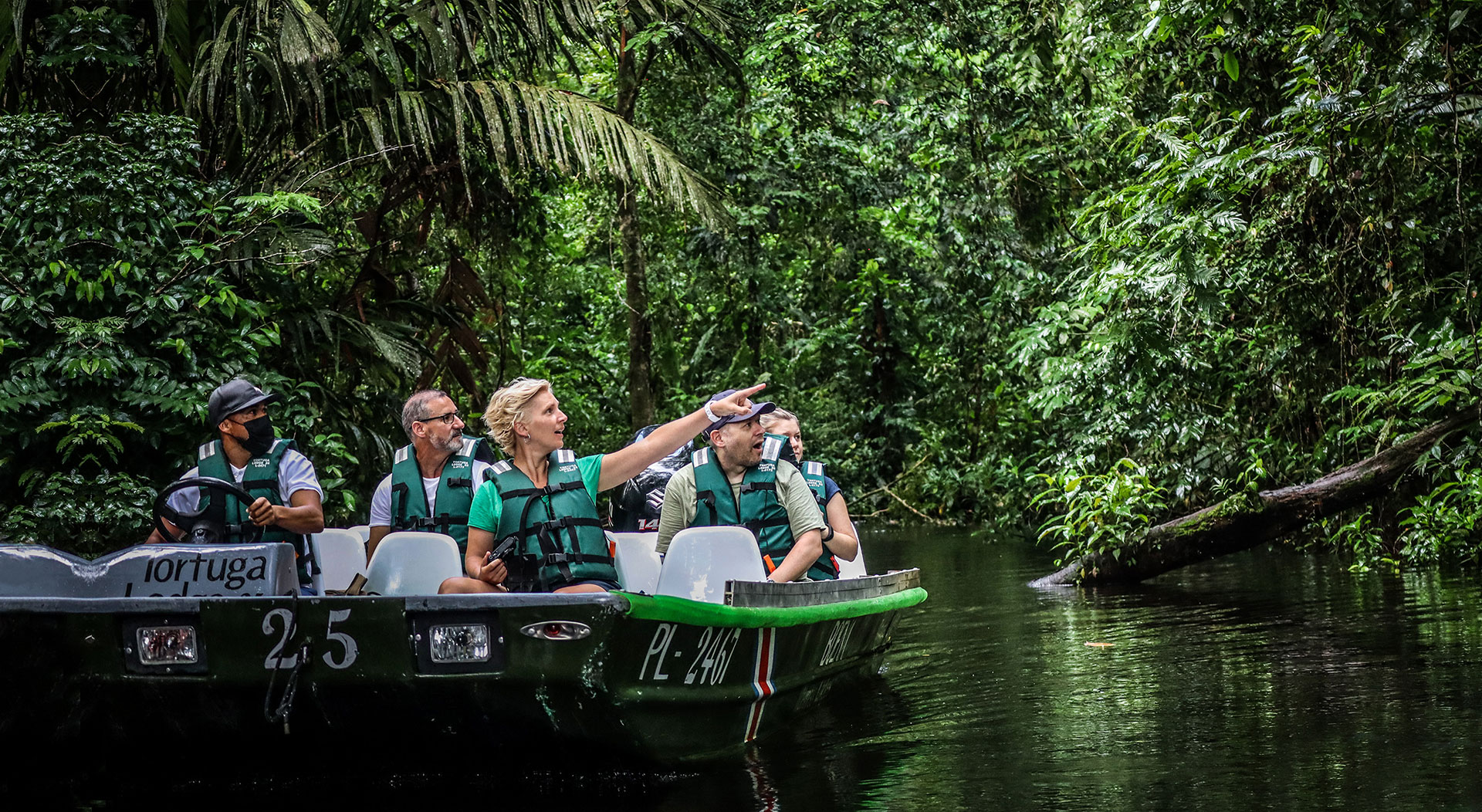
Costa Rica´s Caribbean region sweeps down the east coast between the borders of Nicaragua and Panama. Home to the Pacuare River and Tortuguero in the north and jungle-meets-ocean scenery in the south, the area offers the chance to see amazing animals and enjoy awesome nature-based experiences.
Celebrated for its scenic whitewater rafting, the Pacuare River boasts clean, warm water, rock faces, lush tropical rainforest, and adrenaline-pumping rapids. Sloths, monkeys, toucans, and blue morpho butterflies can all be spotted amongst the stunning scenery.
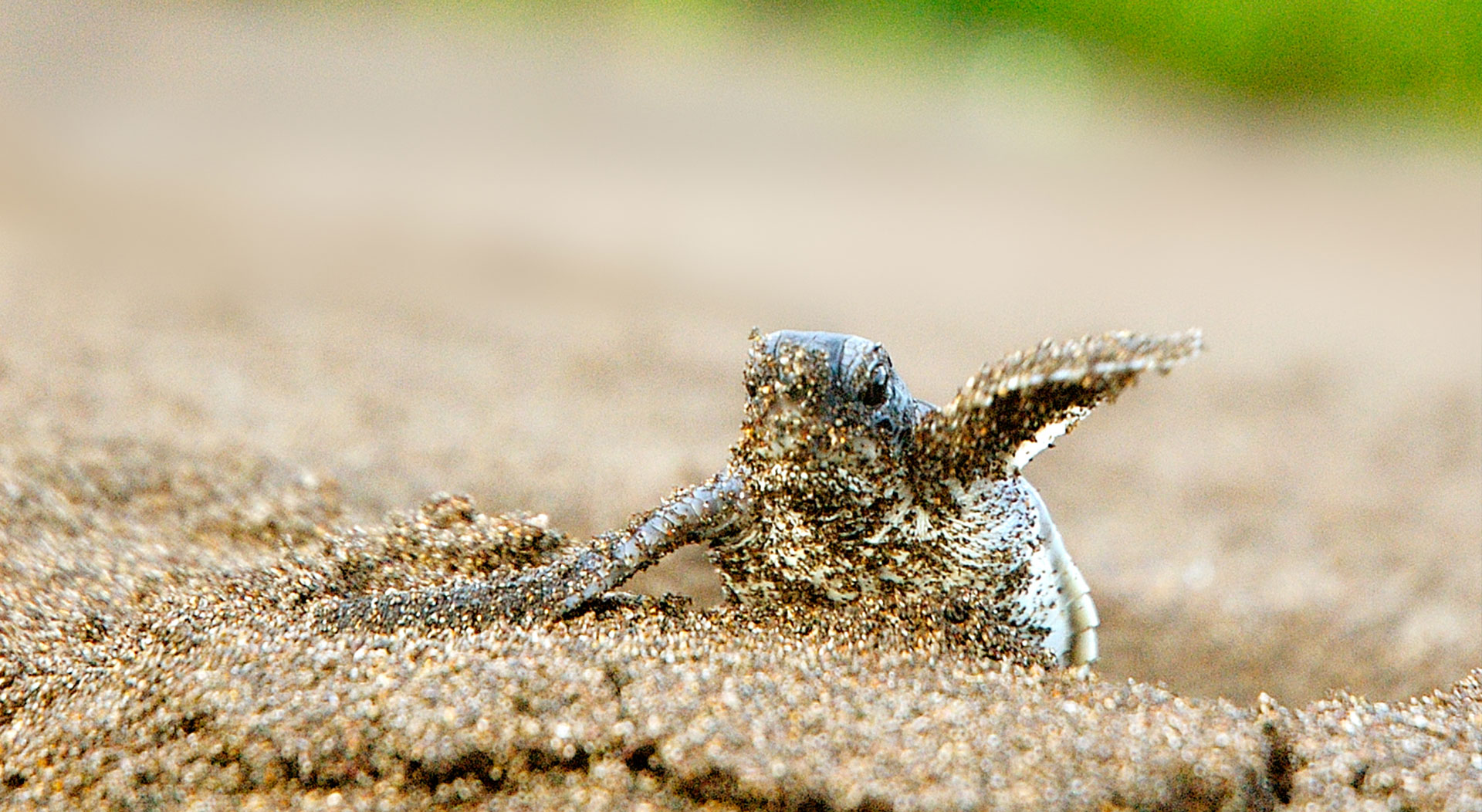
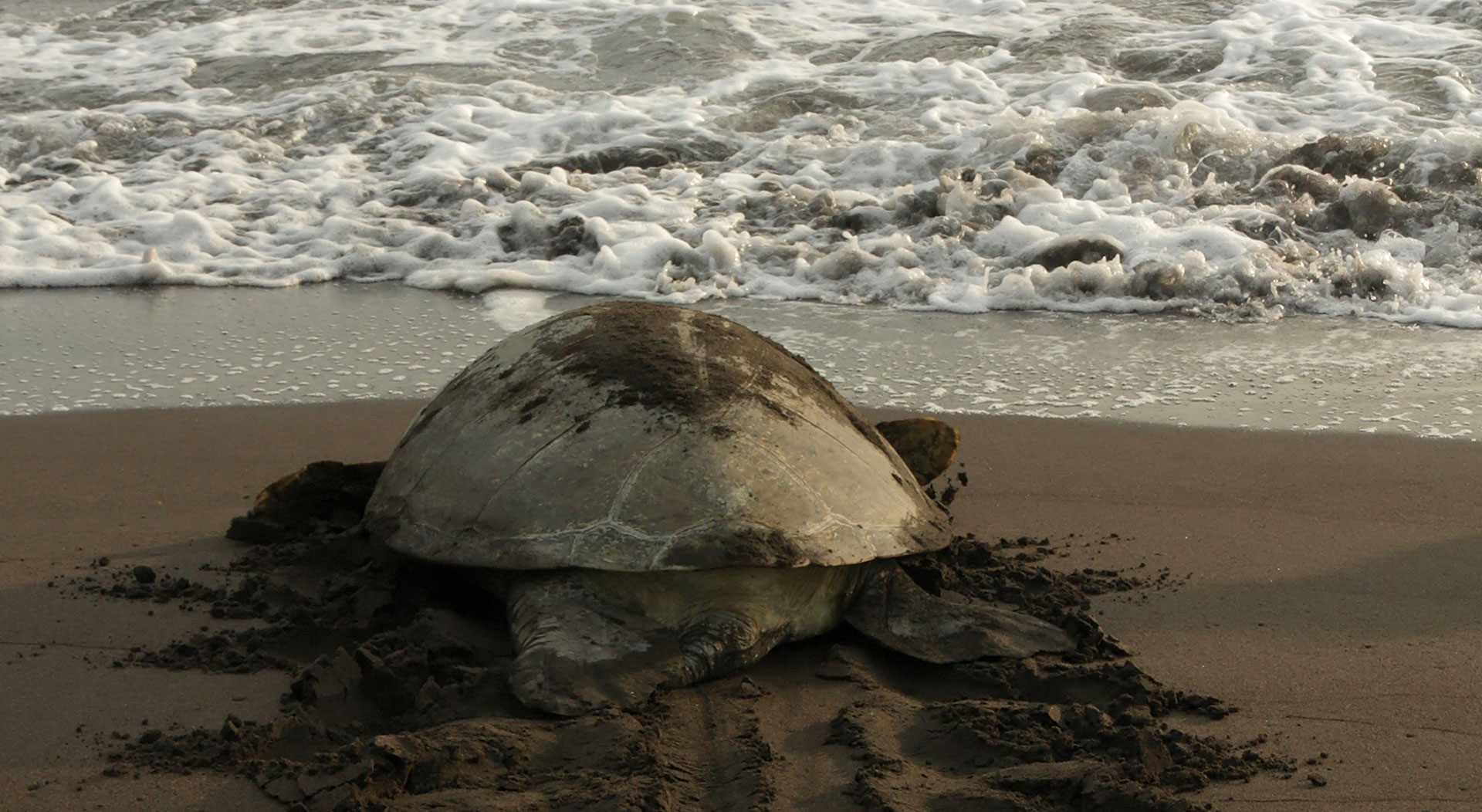
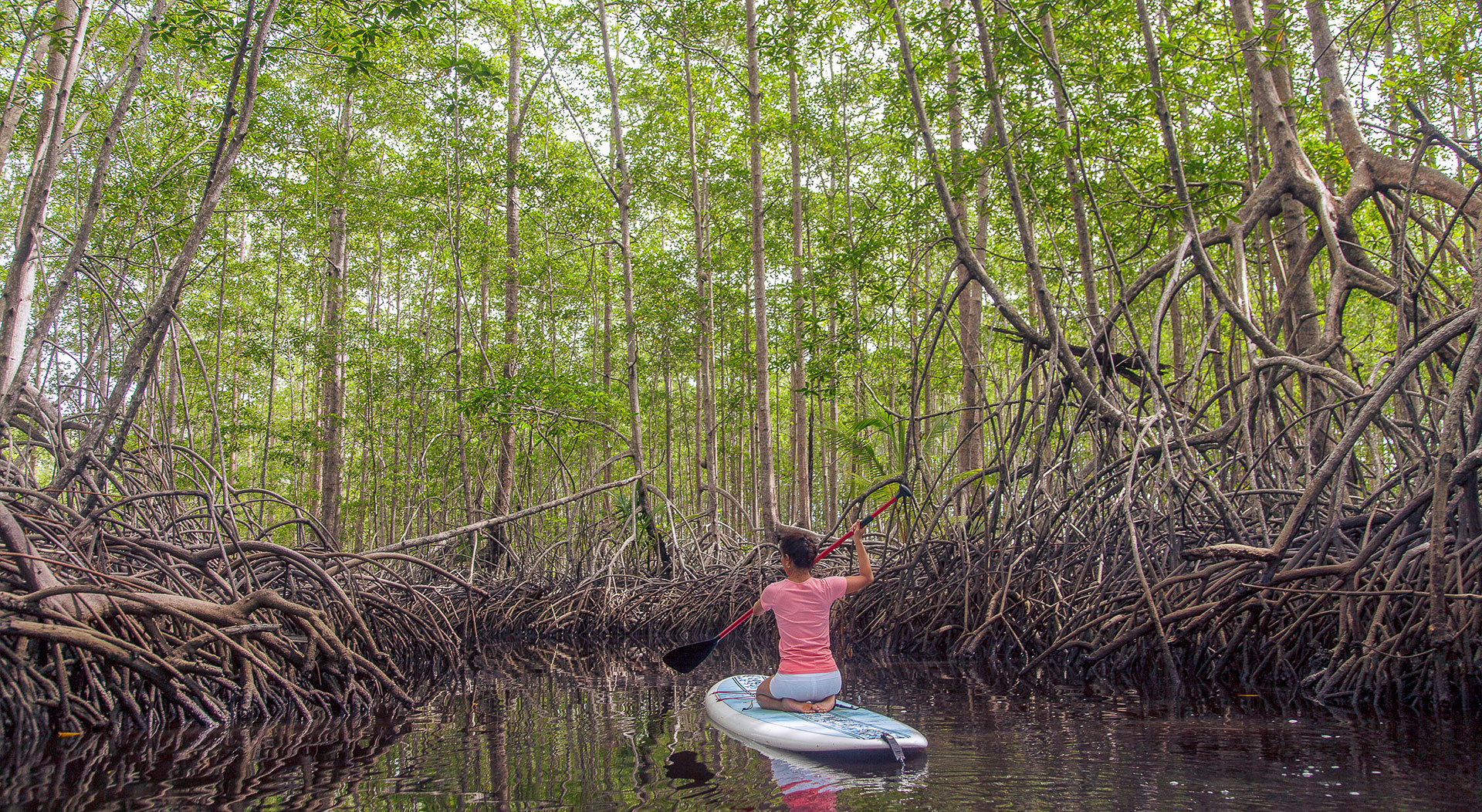
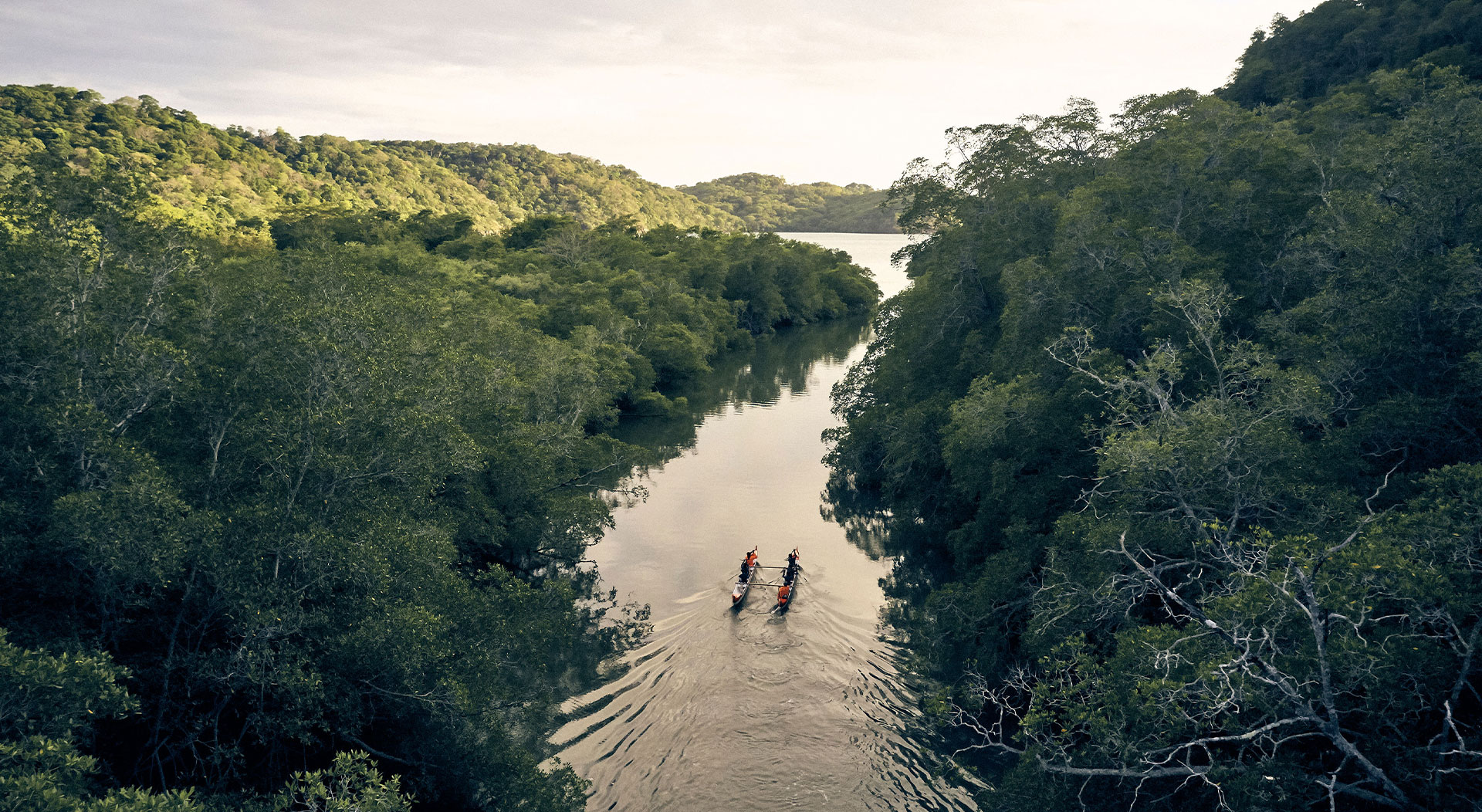
Tortuguero National Park hosts a rich biodiversity thanks to eleven different habitats including rainforest, mangrove forest, beaches and lagoons. River canals run along the coast and serve as one of the most important breeding grounds for endangered green sea turtles, where babies can be seen pattering towards the ocean.
The south of the region is the heart of Costa Rica´s Afro-Caribbean community and home to the BriBri and Cabécar indigenous communities. A paradise for tropical vacations with its golden sunshine, turquoise waters, and white sand beaches, bohemians and surfers flock to the laid-back town of Puerto Viejo to relax, snorkel at Playa Chiquita, catch waves, and explore Cahuita National Park´s jungle trails and 600-acre coral reef.

Osa Peninsula
National Geographic has described the Osa Peninsula as ¨the most biologically intense place on earth¨.
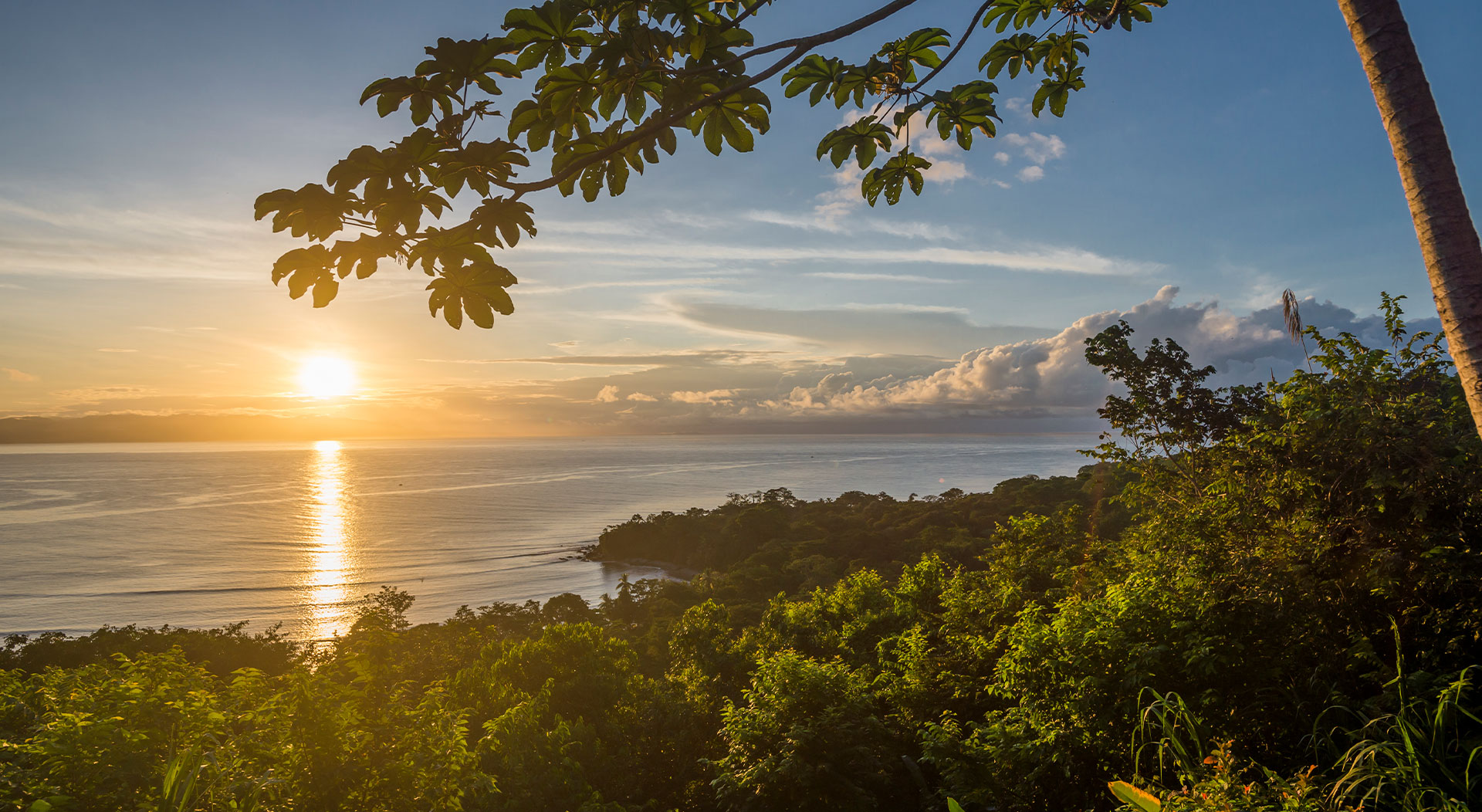
Located in Costa Rica´s southernmost region on the Pacific coast, the peninsula is home to 2.5% of the world´s biodiversity and is mostly covered by the Corcovado National Park.
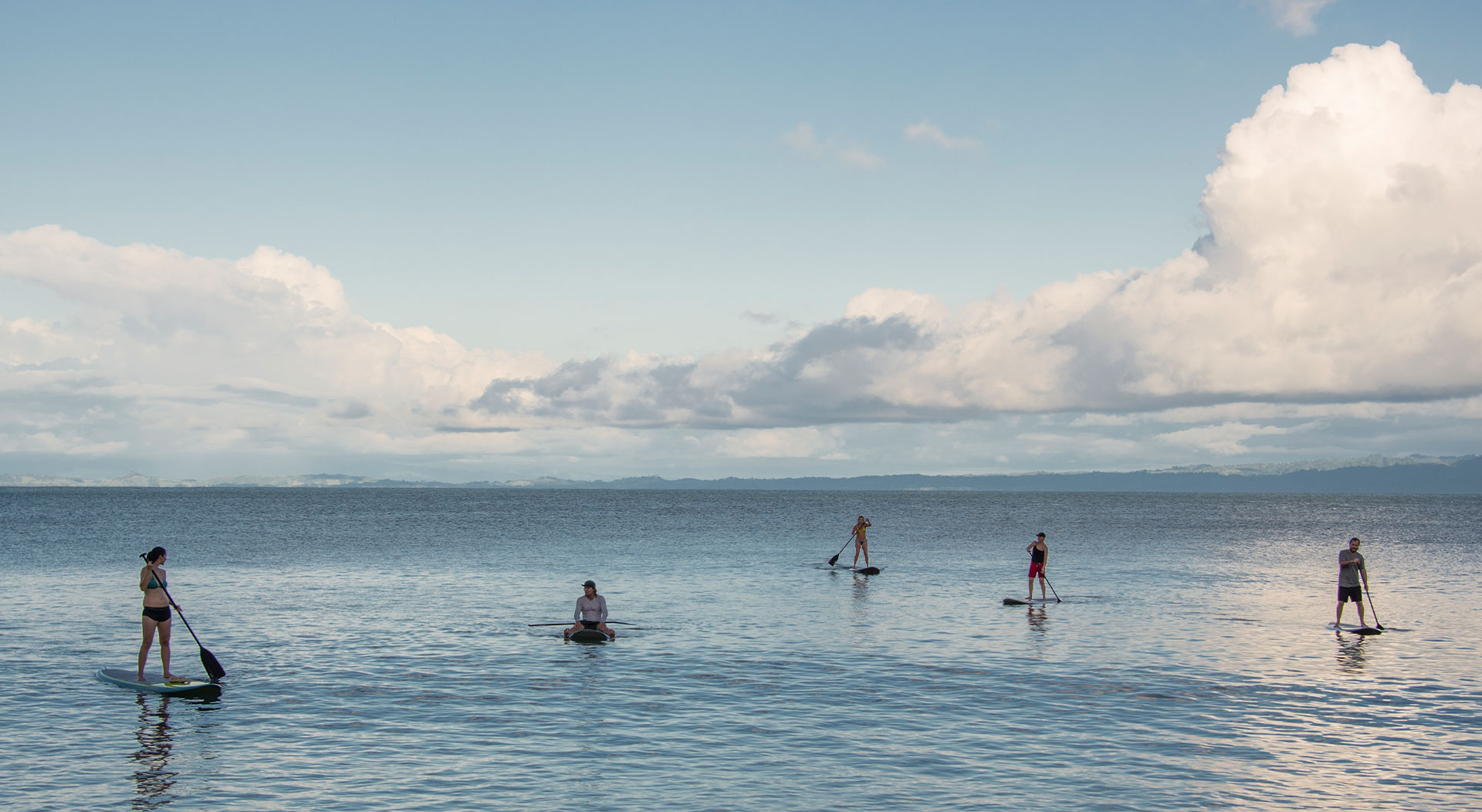
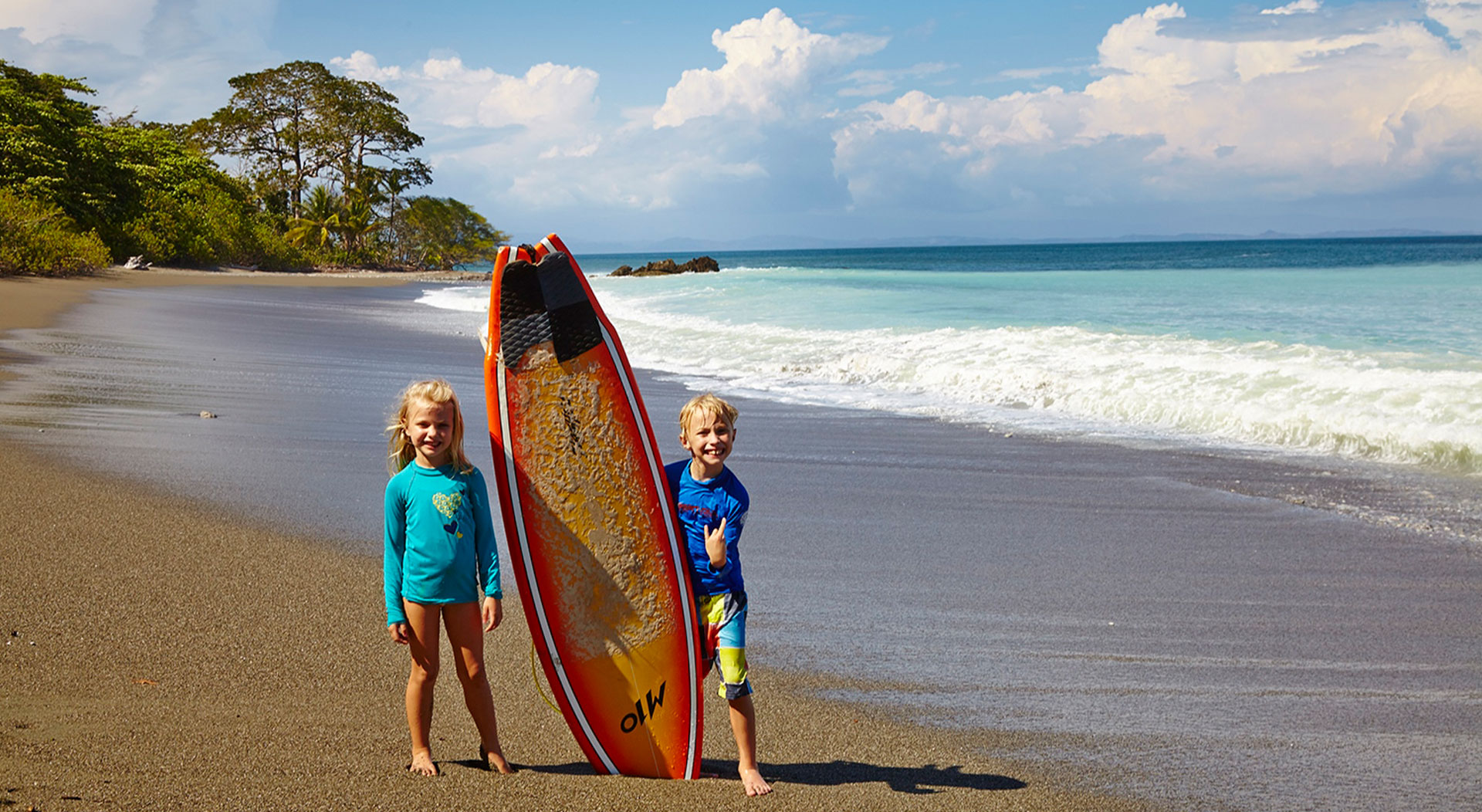
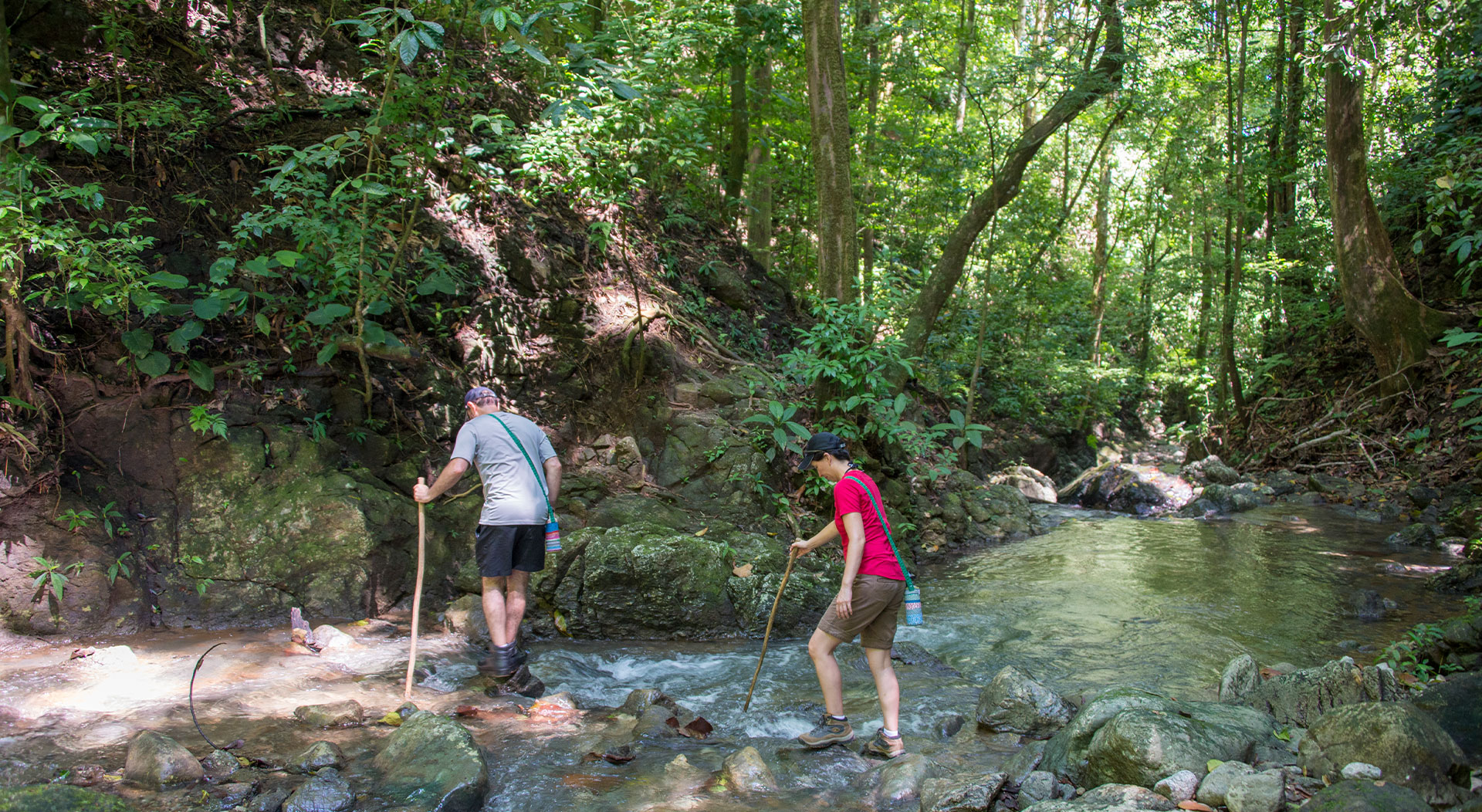
Osa is made up of thirteen tropical ecosystems, including Central America´s last lowland rainforest and an abundance of beautiful beaches. With access open to visitors, this is one of the wildest places in Costa Rica that you can explore through hikes, treks, and waterfall swimming, plus diving and snorkeling. The tip of Osa Peninsula is a surfer’s paradise thanks to its uncrowded beaches, barrels and rolling waves.
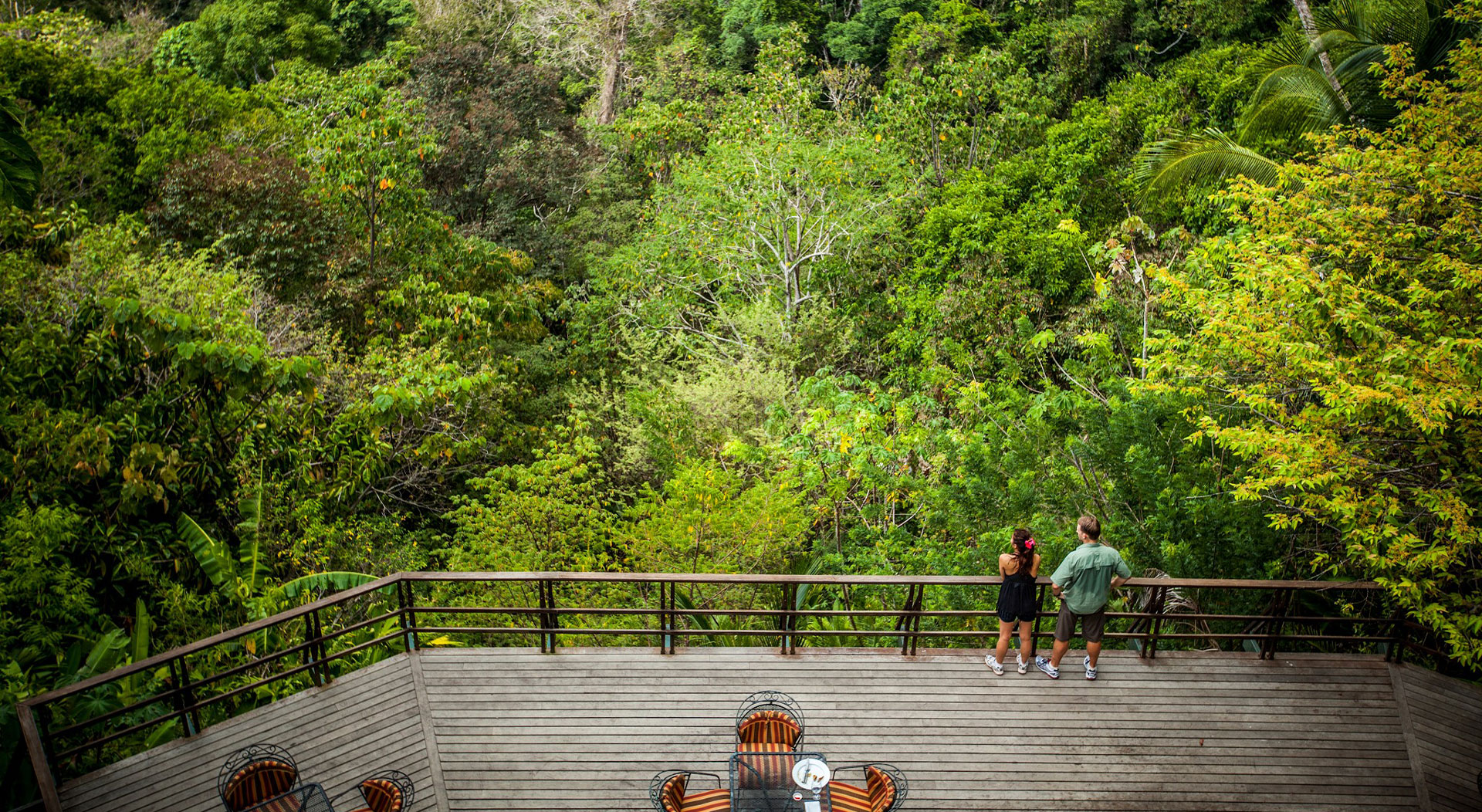
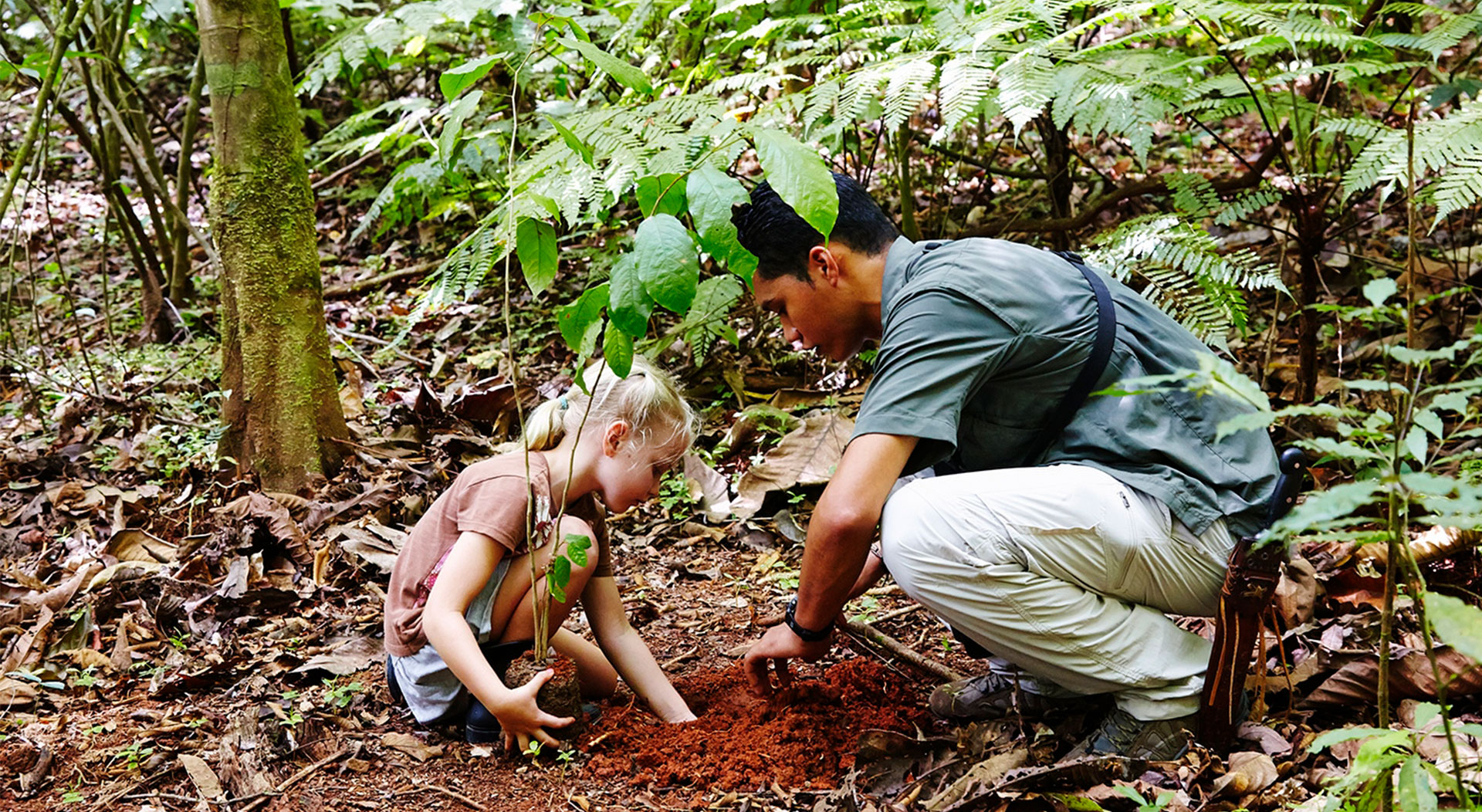
This untouched, virgin area of the country is the place for true wildlife and nature immersion, inhabited by pumas, sloths, tapirs, ocelots and howler monkeys as well as over 350 bird species, marine life, and one of the largest populations of scarlet macaws.
Central Pacific
This long stretch on Costa Rica´s Pacific coast is one of the country´s most visited regions and is easily reached at just an hour´s drive from San José. With a huge variety of things to do and places to stay, many travelers will be able to find what they´re looking for here.
Manuel Antonio National Park is one of the main attractions with its gorgeous beaches, lush vegetation, coral reefs and rainforest where the rare squirrel monkey, sloths and iguanas live amongst the trees. Visitors can walk trails with spectacular views and snorkel to discover colorful tropical fish.
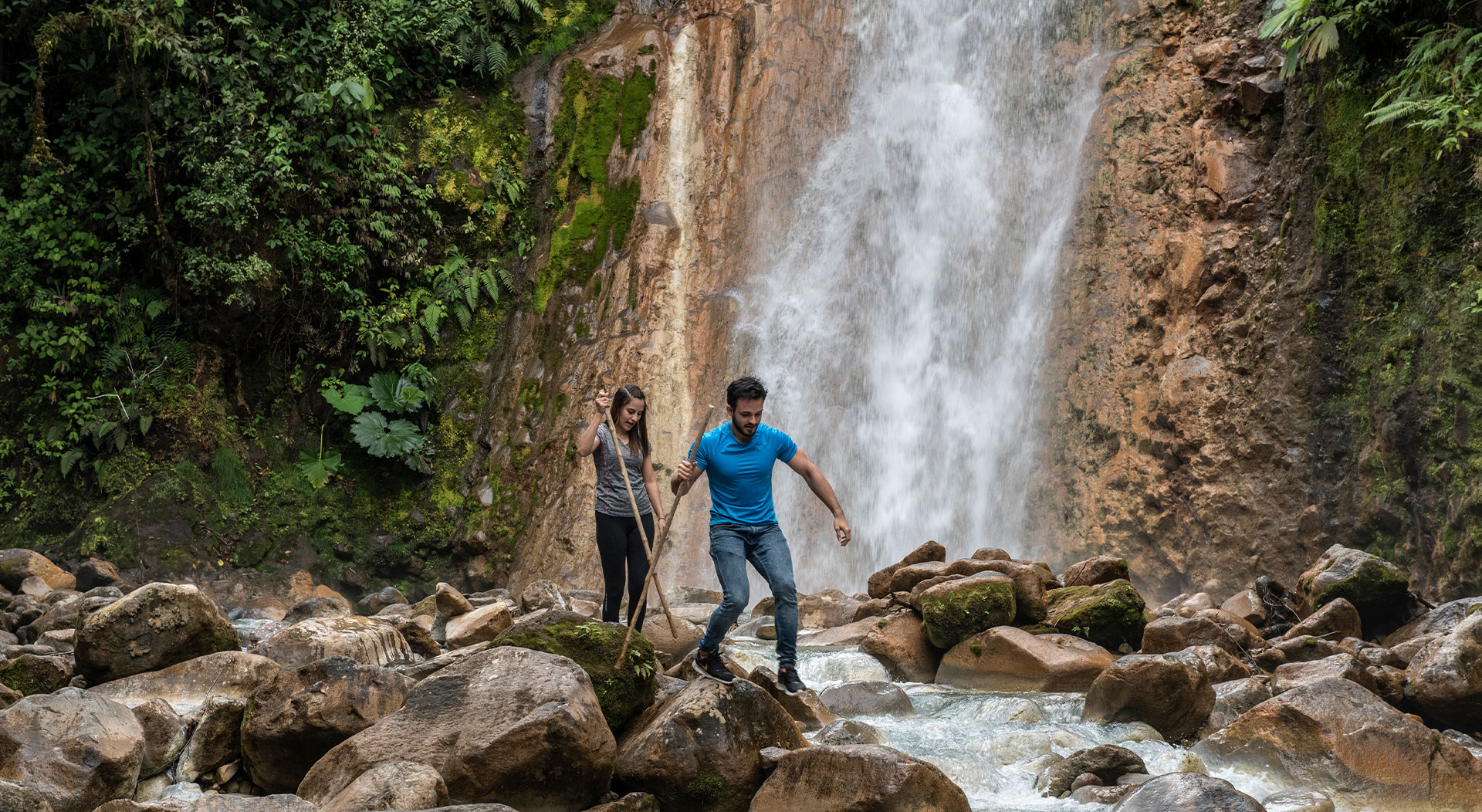
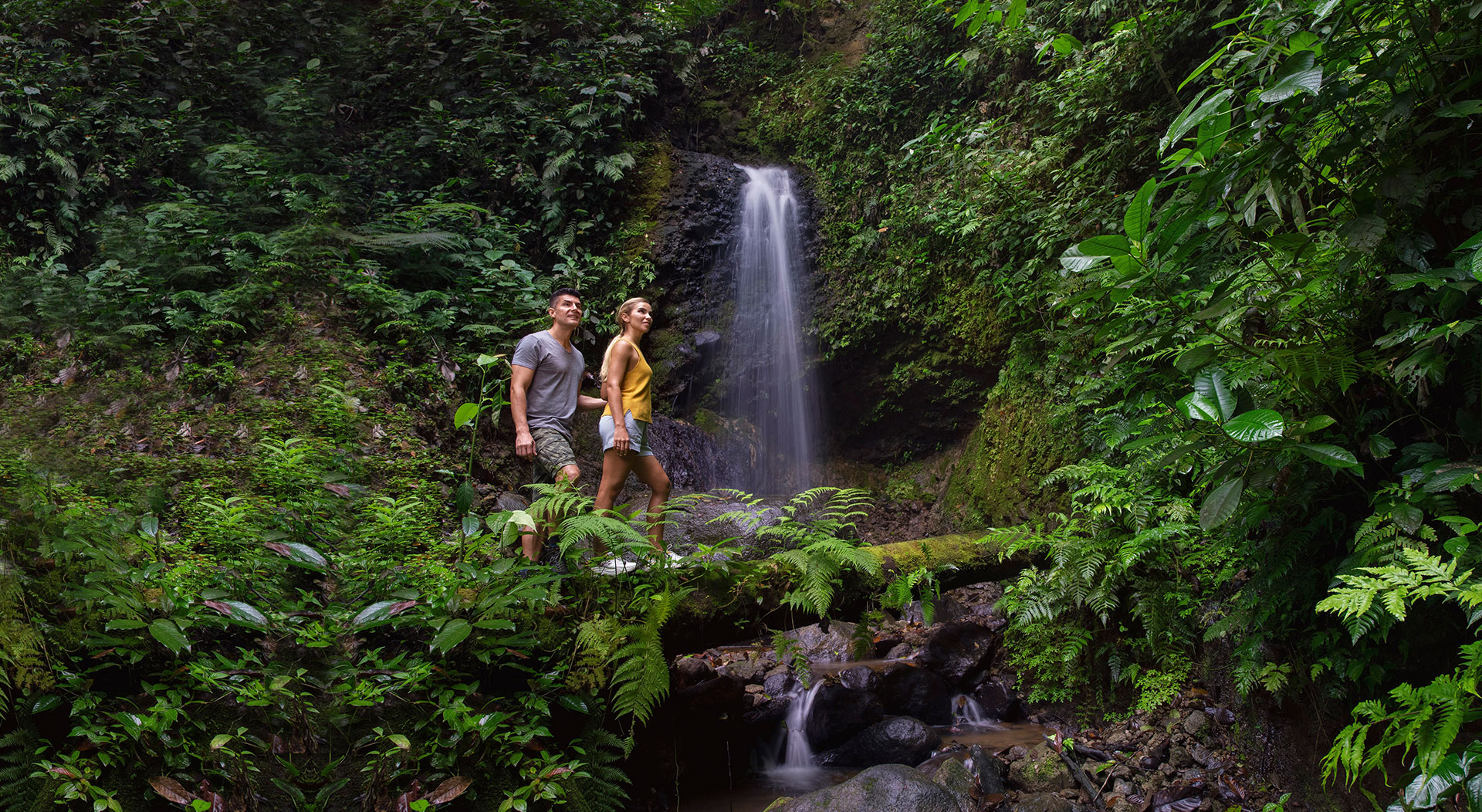
To the north lies Jacó, known for its nightlife, surf beaches, and proximity to Carara National Park, the home of crocodiles and scarlet macaws. Further to the south, the sleepy town of Dominical boasts untouched beaches, yoga, epic waves for surfing without the crowds, and the nearby cascading Nauyaca waterfalls.
At the very south of the region, Uvita acts as a gateway to the Osa Peninsula. The quiet village offers a window into authentic Costa Rican life and sits next to the Marino Ballena National Park. Explore the protected area´s beautiful beaches, thick tropical jungle, waterfalls, and iconic whale-tail shaped sandbar, where humpbacks migrate annually.
Northern Region
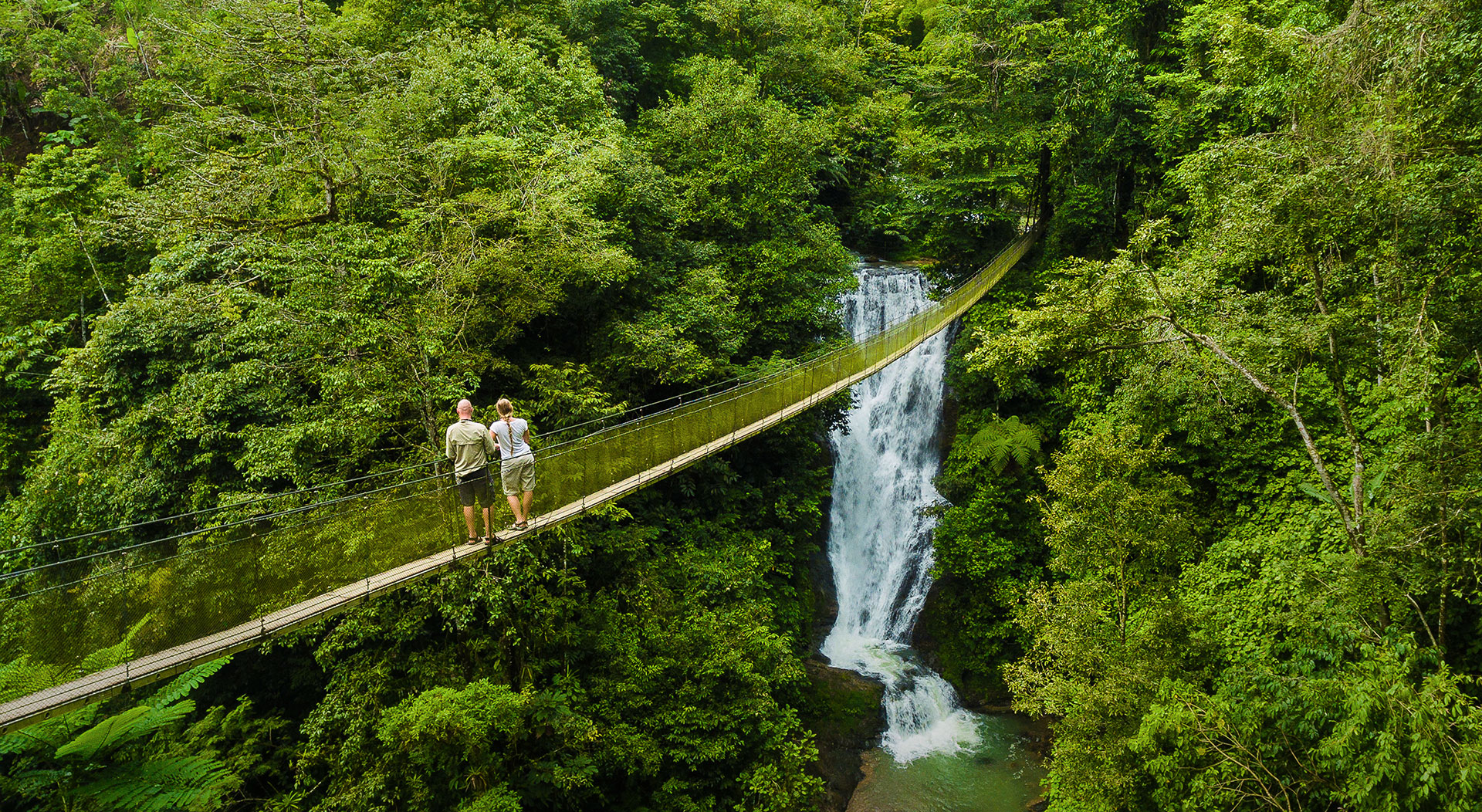
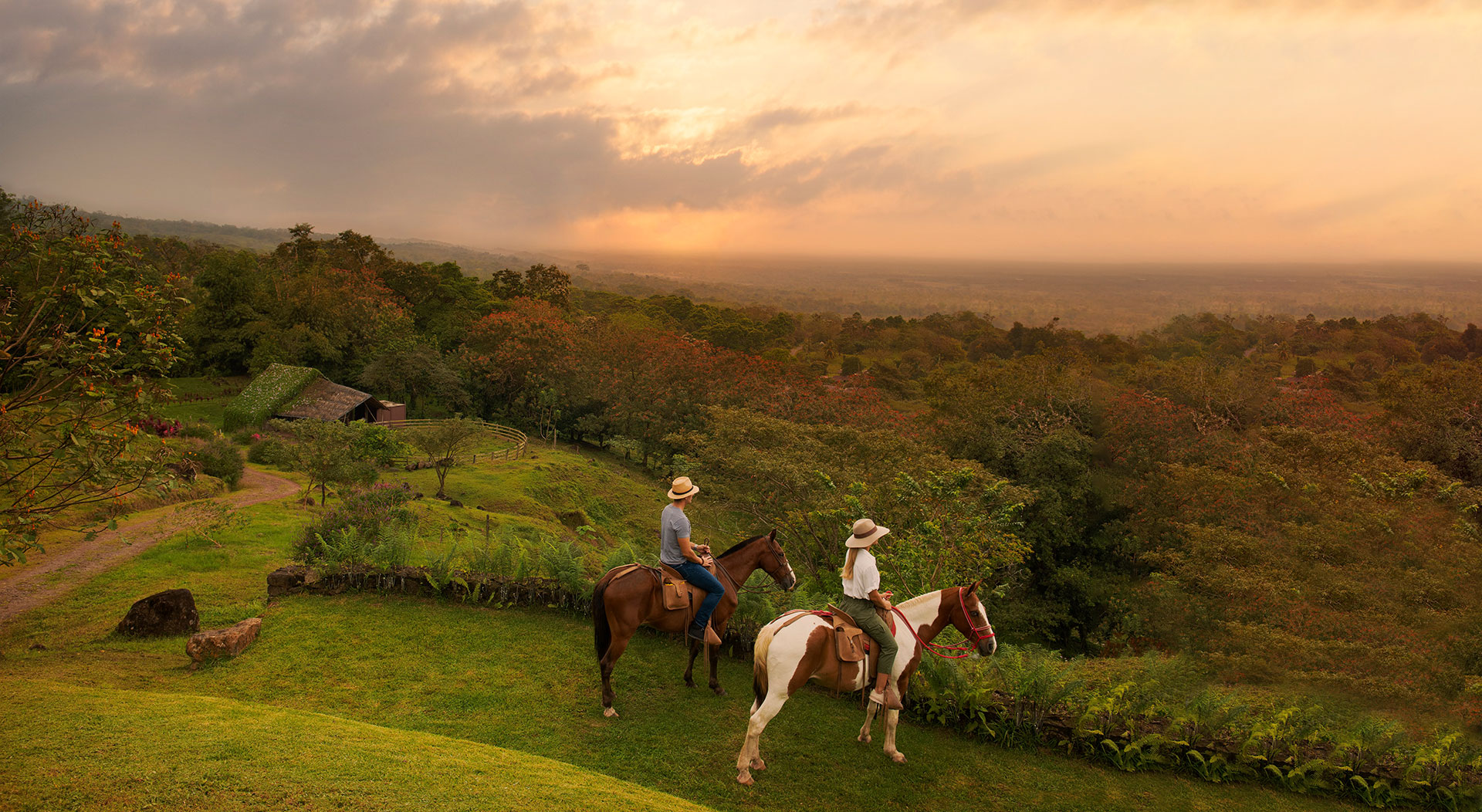
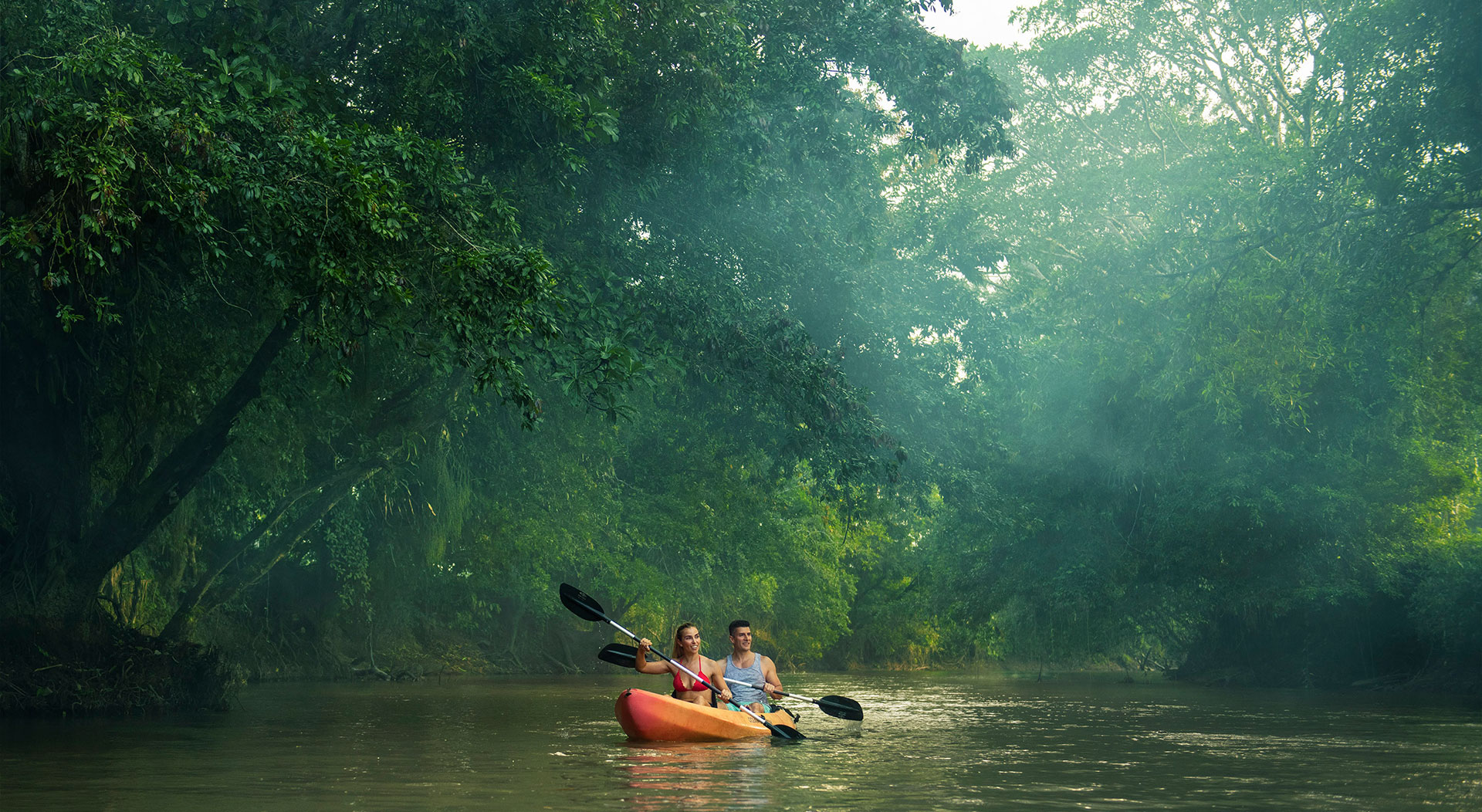
Costa Rica´s landlocked northern region is packed with diversity. Sweeping dry grasslands, tropical volcanoes, hot springs and sparkling rivers offer a whole host of experiences, from adrenaline-pumping white water rafting to breathtaking volcano hikes and relaxing geothermal pools.
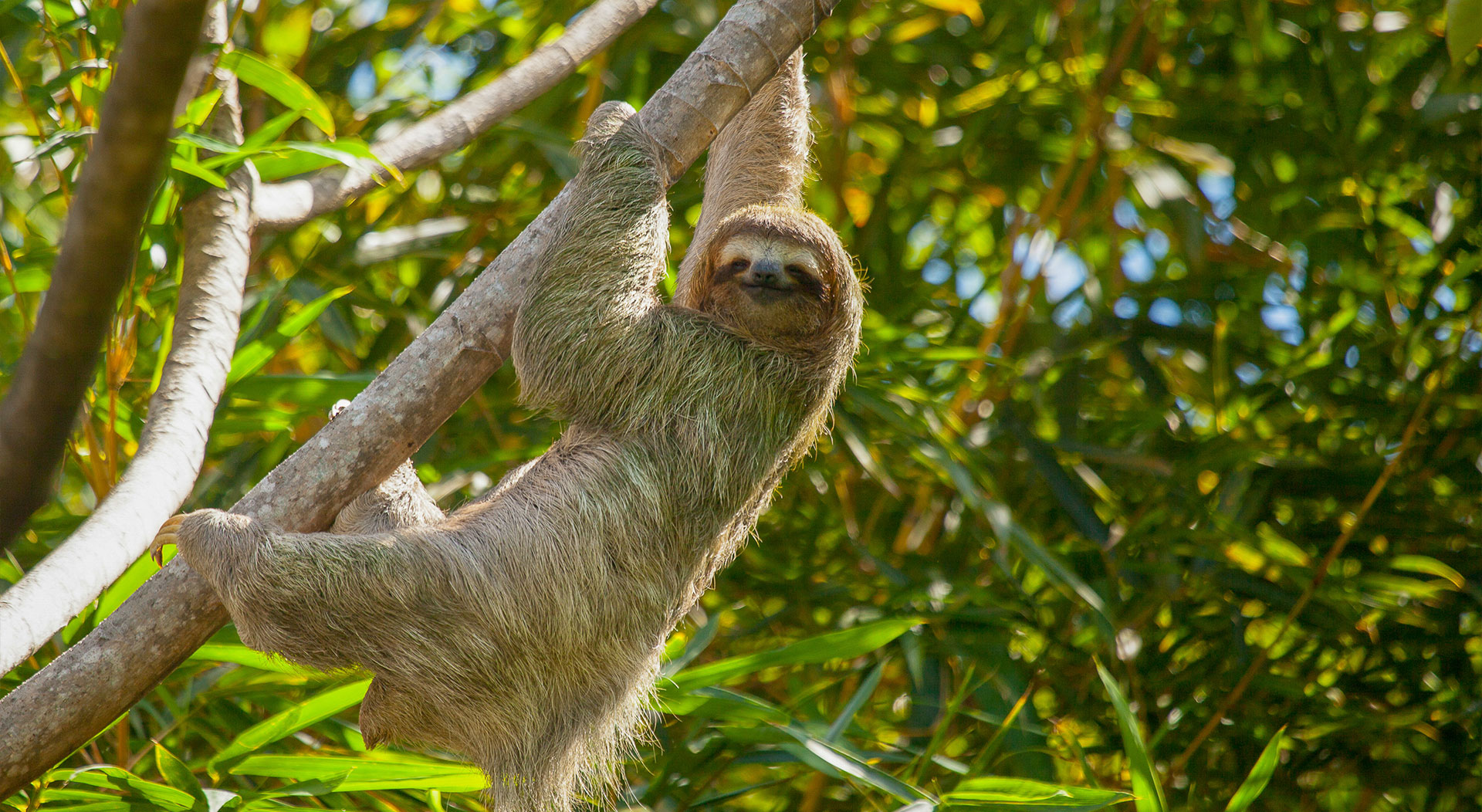
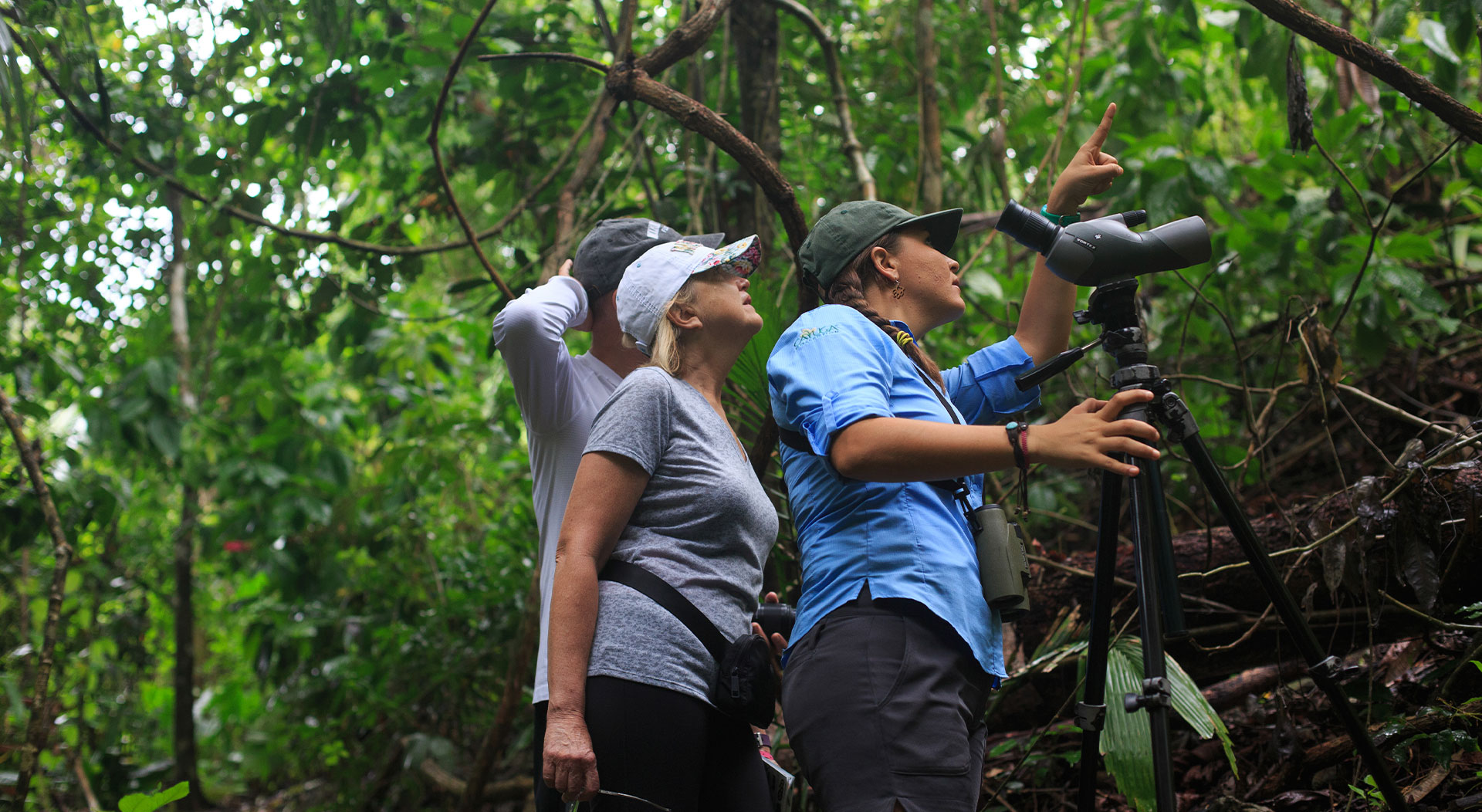
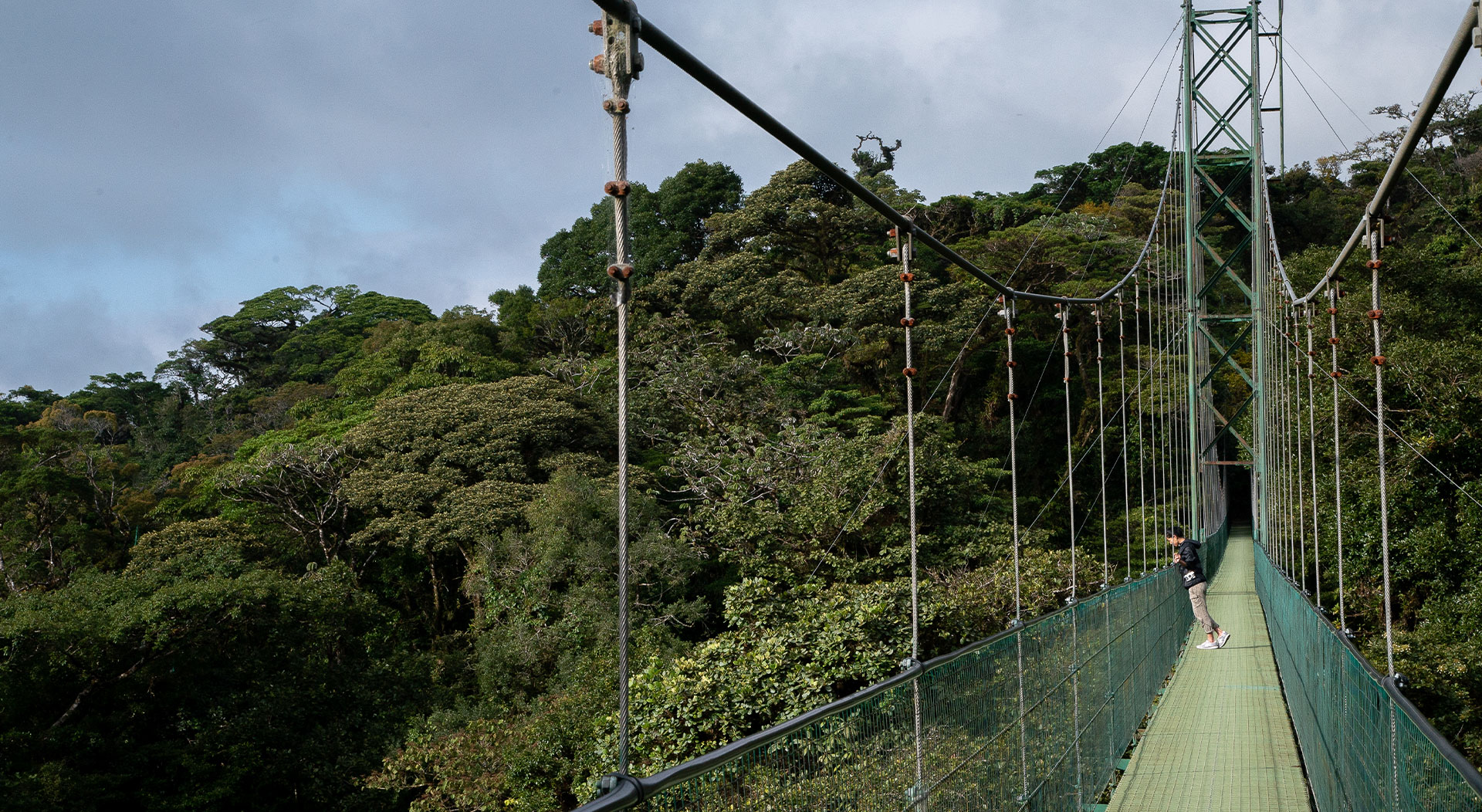
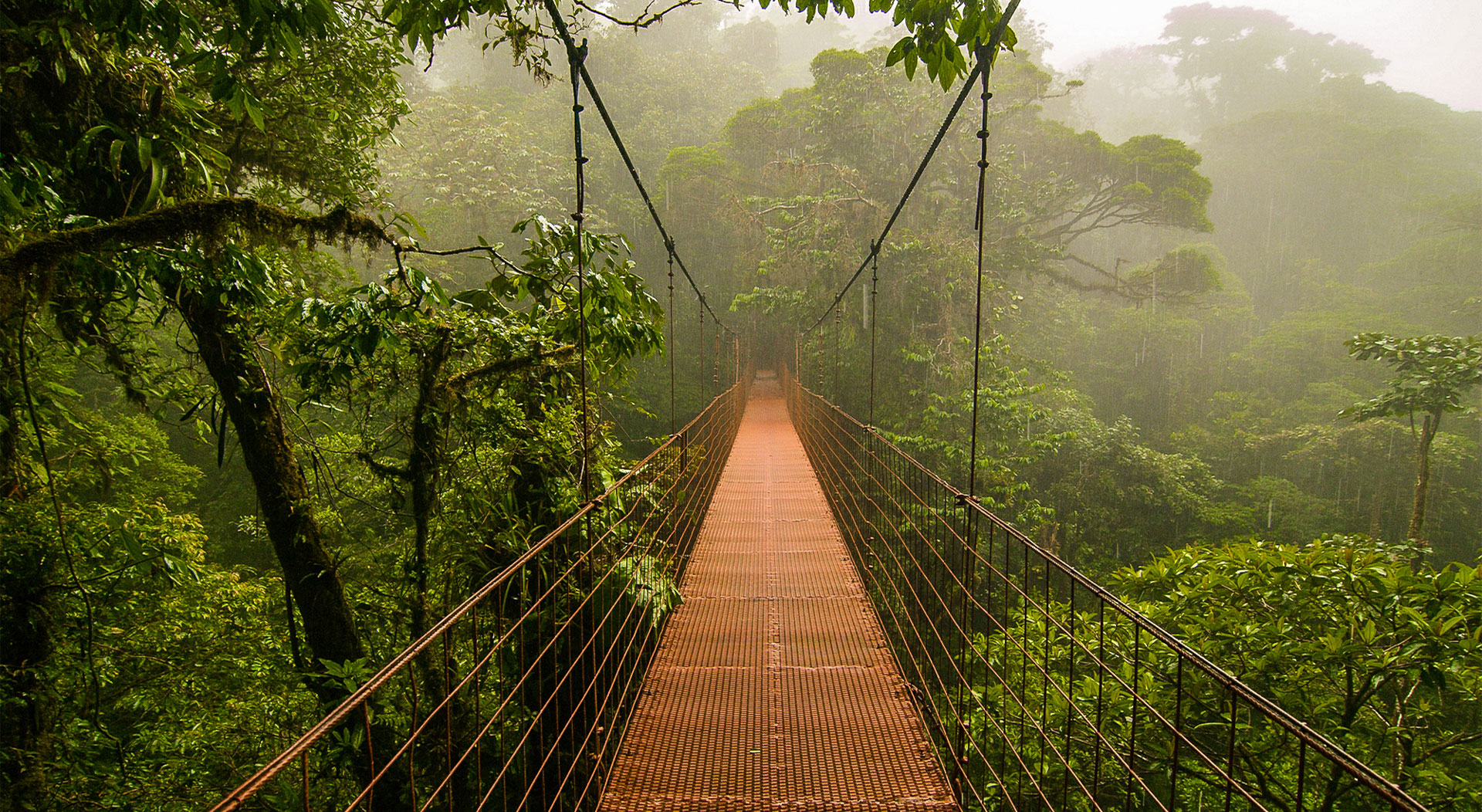
This region is home to the tranquil mountain town of Monteverde and the magical cloud forest where miles of trails guide walkers through tropical rainforest. The cool mist of low-lying clouds and verdant jungle vegetation provide a unique habitat for amazing flora and fauna, like the rare Resplendent Quetzal, monkeys, coatis, sloths, reptiles, and insects.
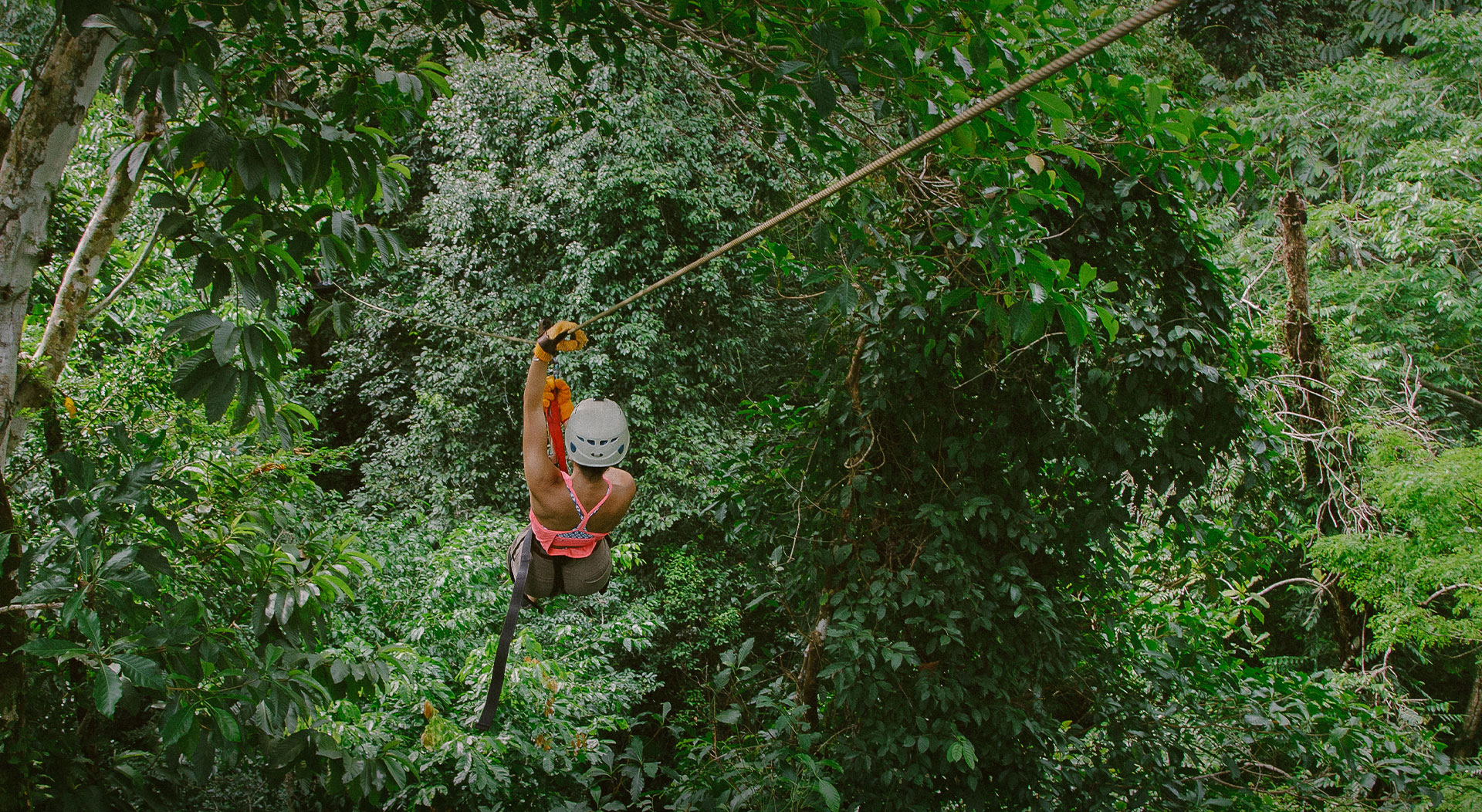
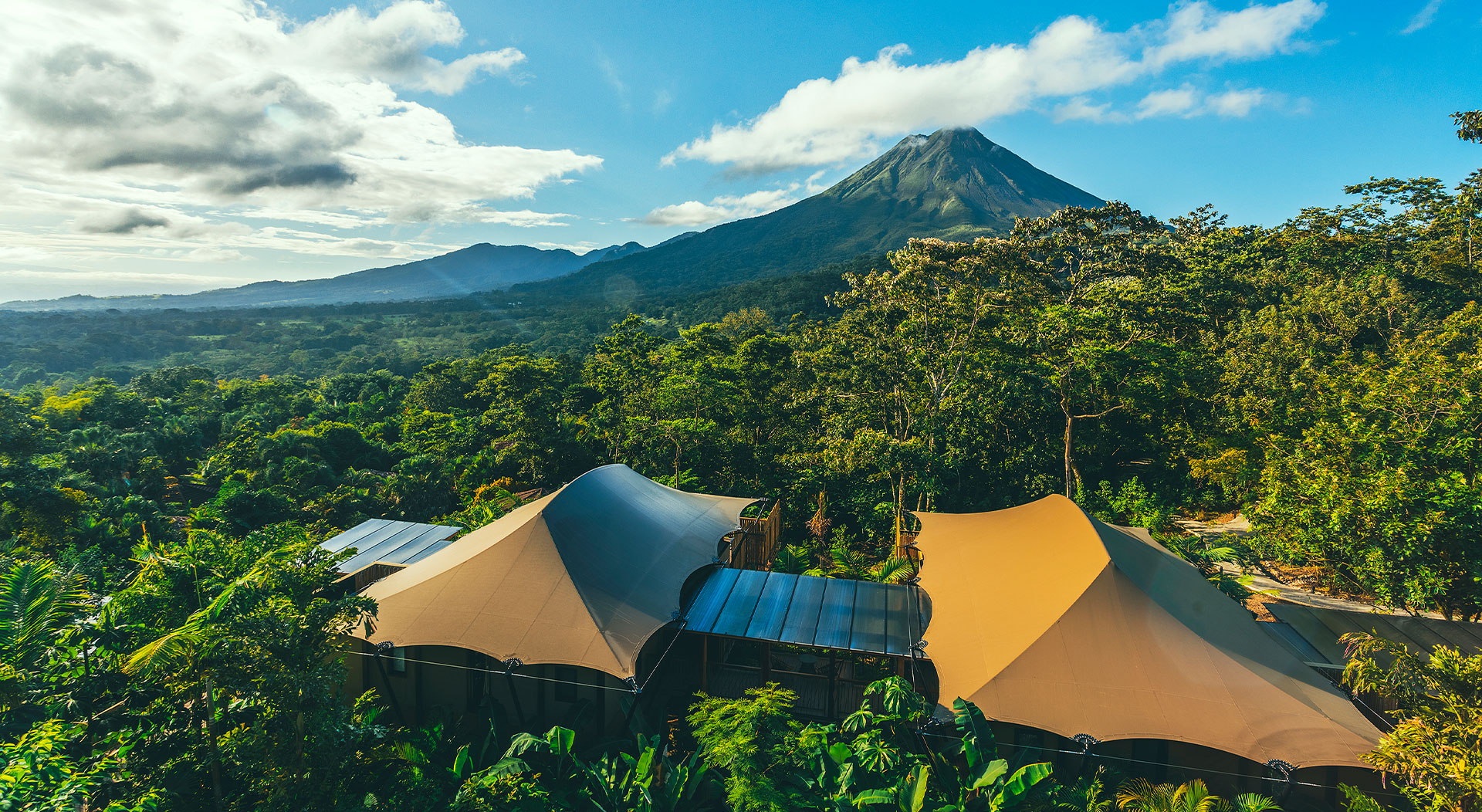
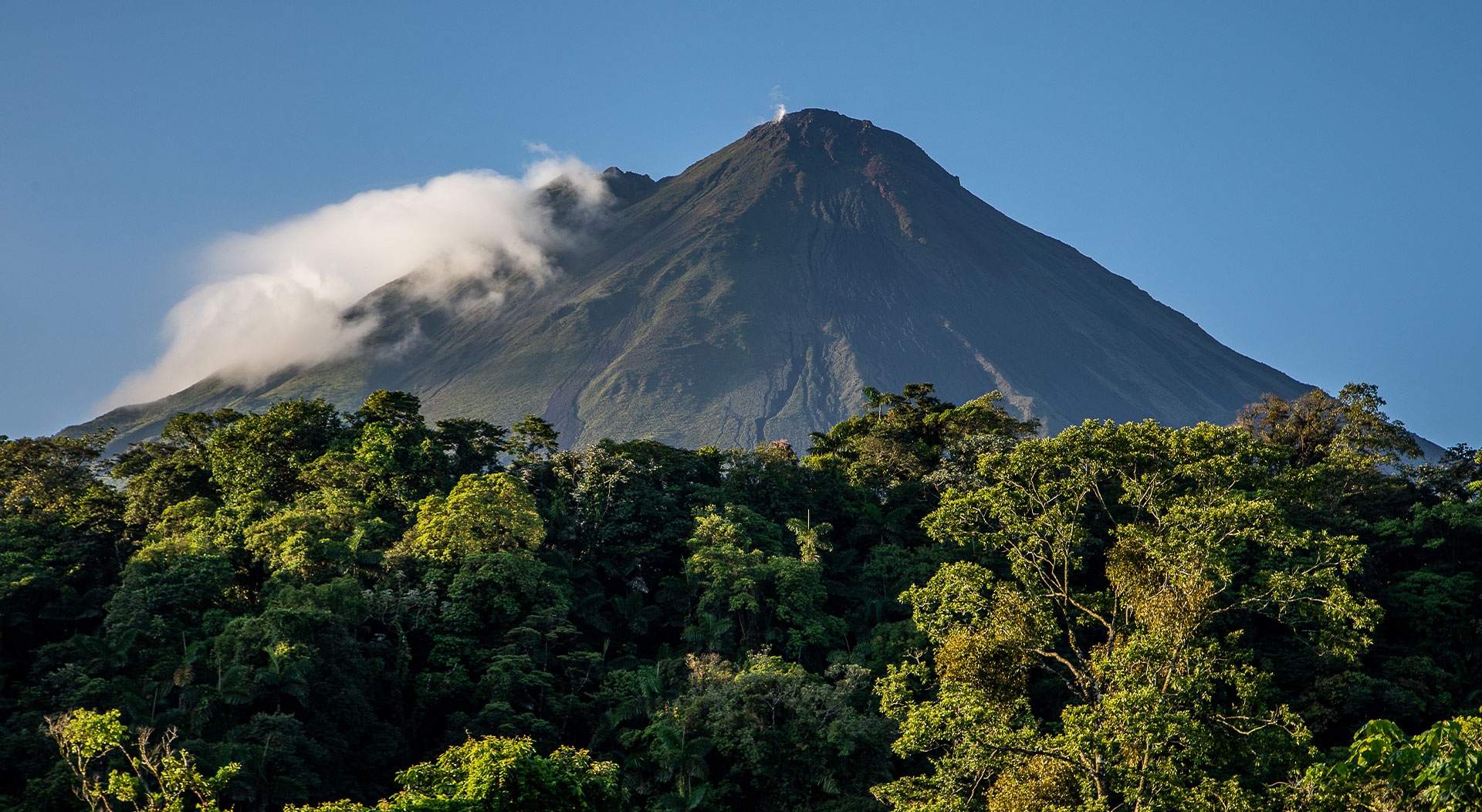
North of Monteverde, the majestic Arenal Volcano rises into the sky, offering hiking trails and geothermal pools at its base. The surrounding area awaits adventurers with scenic ziplining over rainforest canopy, rappelling down waterfalls, and rafting on the Sarapiqui River.
Inside the Tenorio Volcano National Park, the stunning Rio Celeste cascades blue waters into a bright turquoise pool among rainforest leaves. The river´s striking color comes from volcanic minerals and a chemical reaction where two streams merge at the source.
Nicoya Peninsula
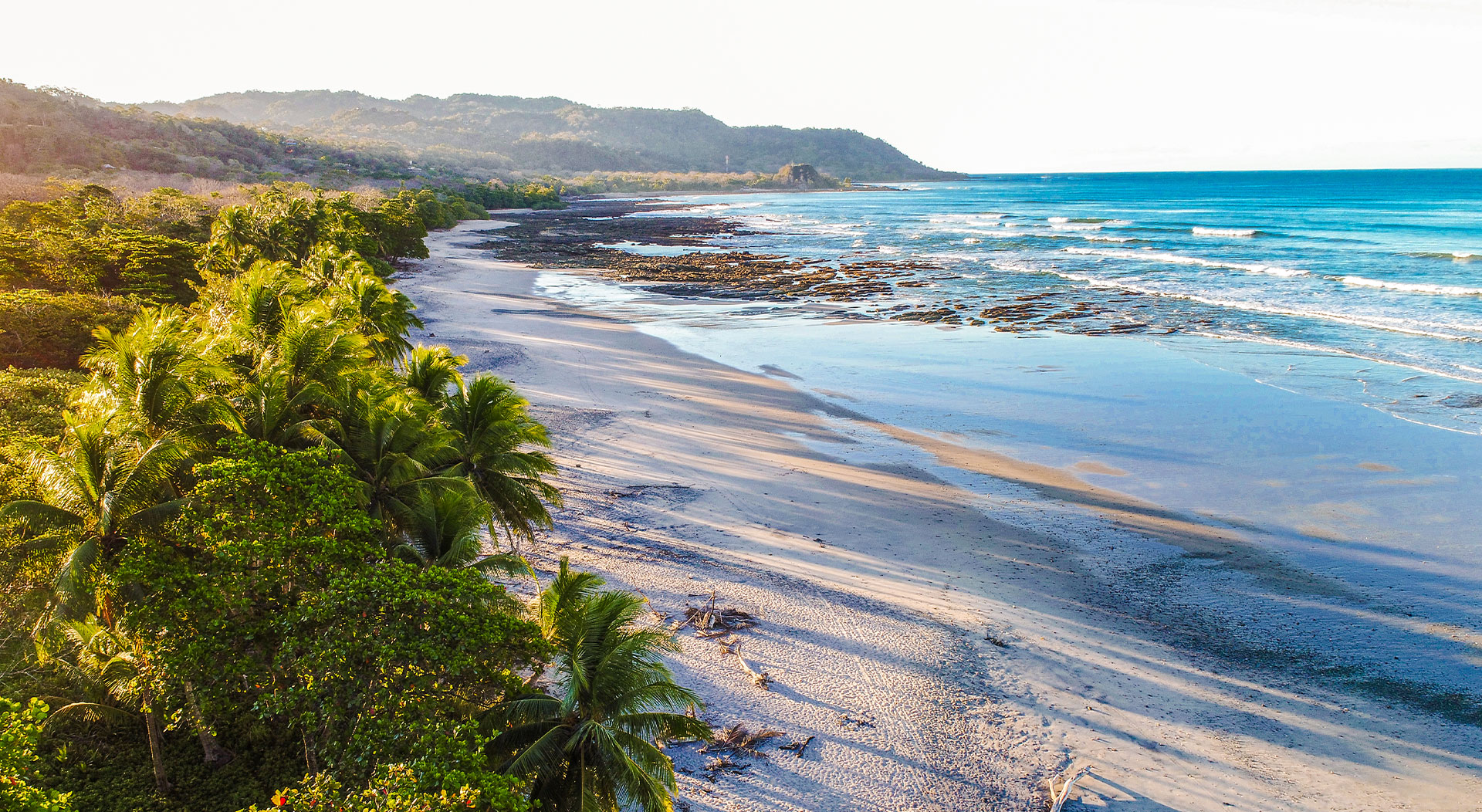
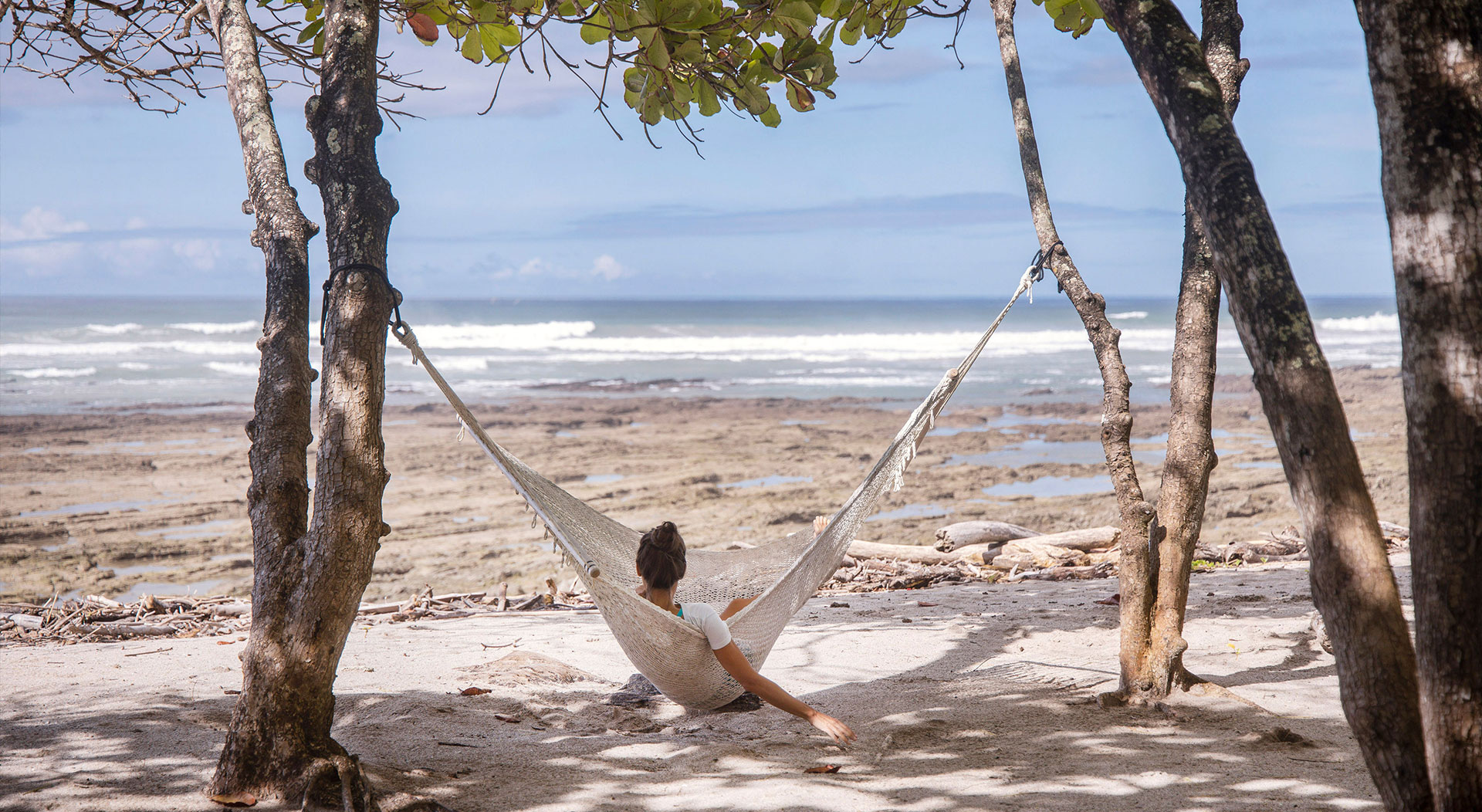
The Nicoya Peninsula is celebrated as one of the worlds ´Blue Zones´, where people are known to live longer, healthier lives. Located on the Pacific west coast, a large part of Nicoya´s perimeter is coastline, and the ocean is central to life on the peninsula.
Sunshine, spectacular beaches, rugged mountain landscapes, and the Blue Zone lifestyle attract visitors who seek an easy-going vibe and beauty off-the-beaten-path. Nicoya´s wellness culture and water paradise is encapsulated in the bustling beach town of Santa Teresa on the peninsula´s southern tip, with great surf and a growing yoga scene. Neighboring Mal Pais offers a string of more chilled out beaches for sunning and catching waves.
Among the natural wonders of the region, bioluminescence can be seen shimmering in the right conditions at night, while thousands of Olive Ridley turtles head onto the shore within the Ostional Wildlife Refuge to lay their eggs.


Guanacaste
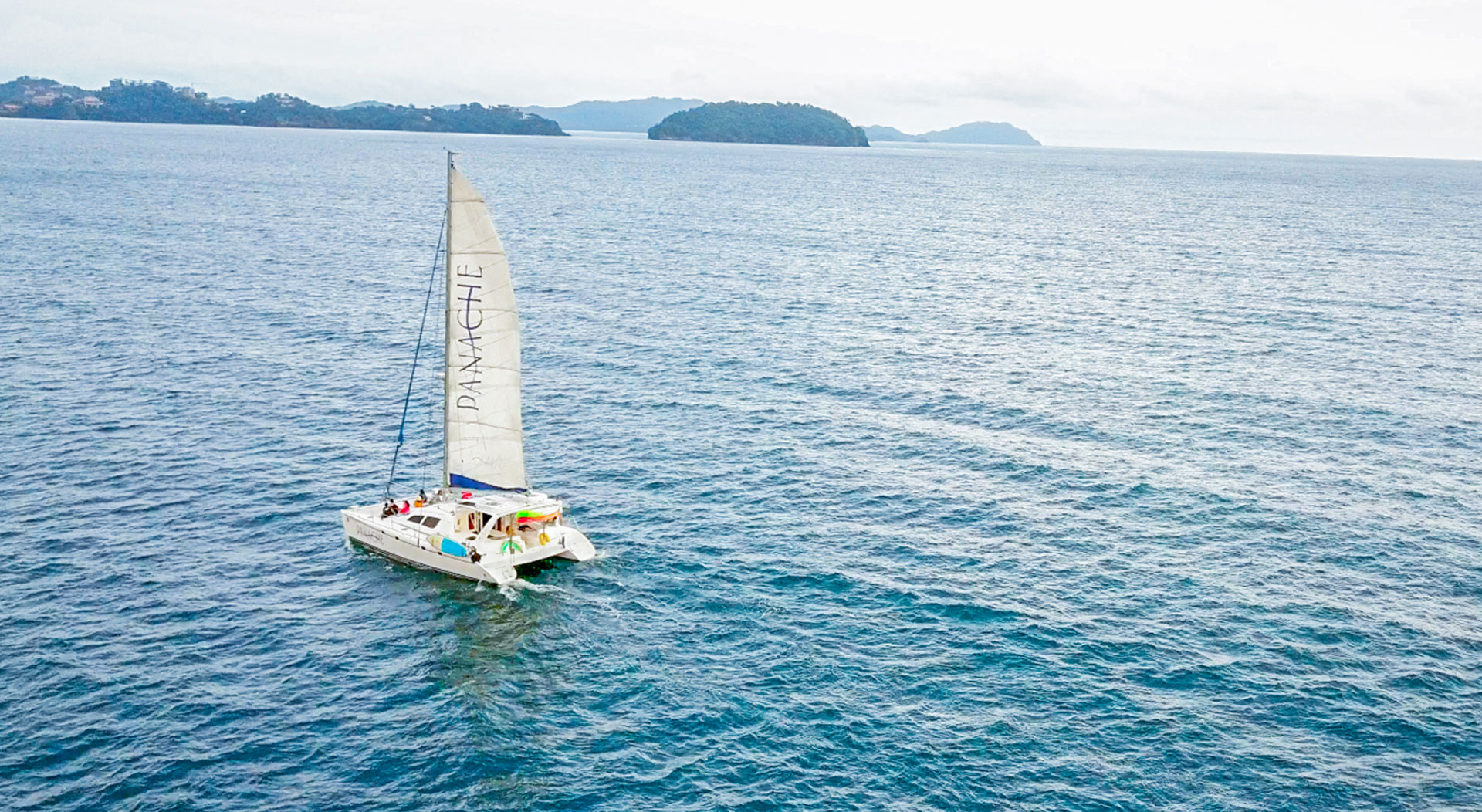
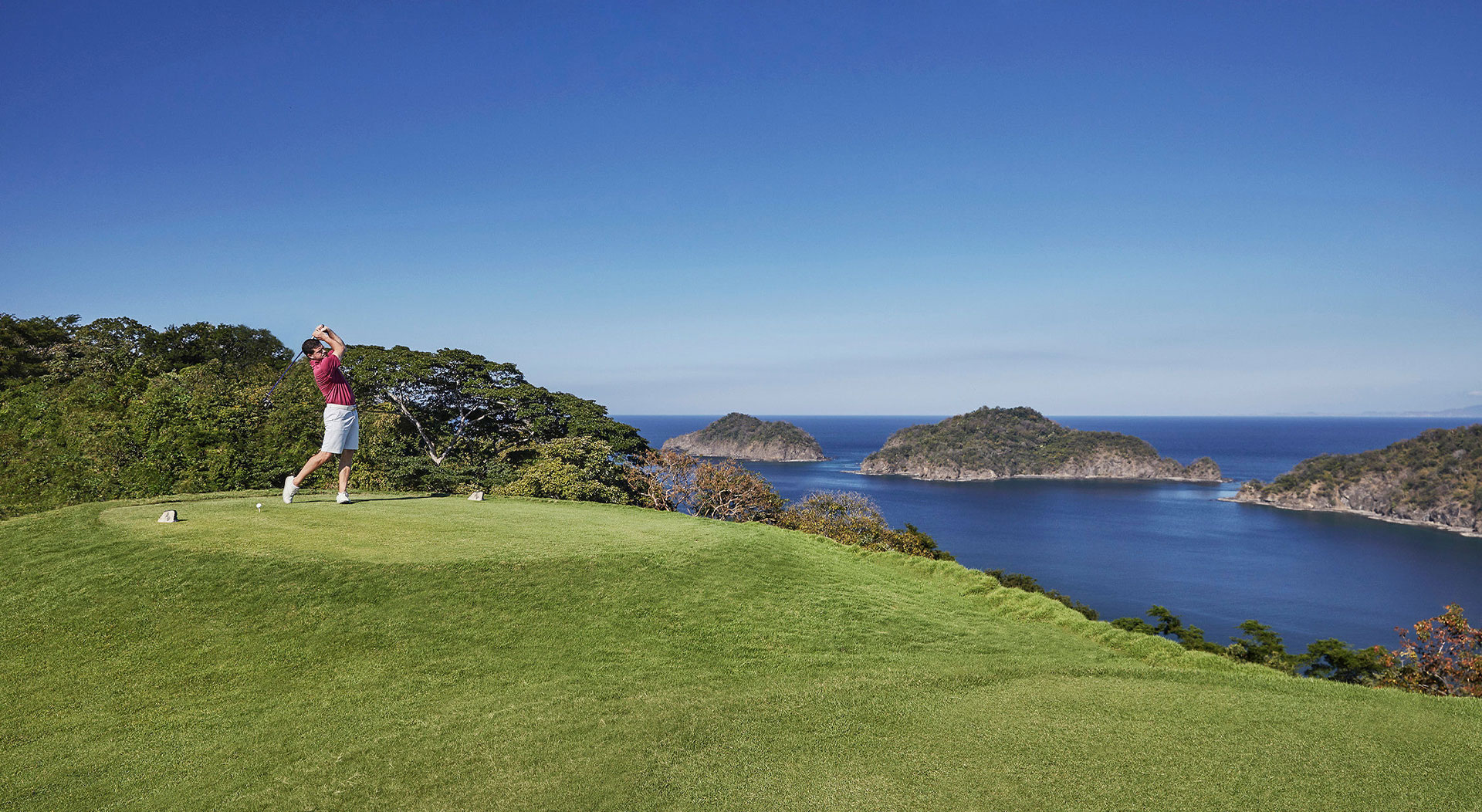
Situated on Costa Rica´s northwestern coast, Guanacaste is a favorite for visitors, enjoying dry, sunny weather most of the year and almost 400 miles of coastline. Liberia (LIR) Airport makes arriving to the Papagayo Peninsula quick and easy; this newly developed hub of luxury comprises luxury resorts like the Four Seasons, a beach club, world-class golf course, marina, and private residences.
Further down the coast, Tamarindo is a buzzing surf town with consistent waves that both beginners and experts can enjoy. A big draw here is the variety of beaches nearby; pink sea-shell sand and calm waters at Playa Conchal, Playa Grande´s perfect conditions for leatherback turtles to nest, and powder-sands at the scenic Avellanas beach.
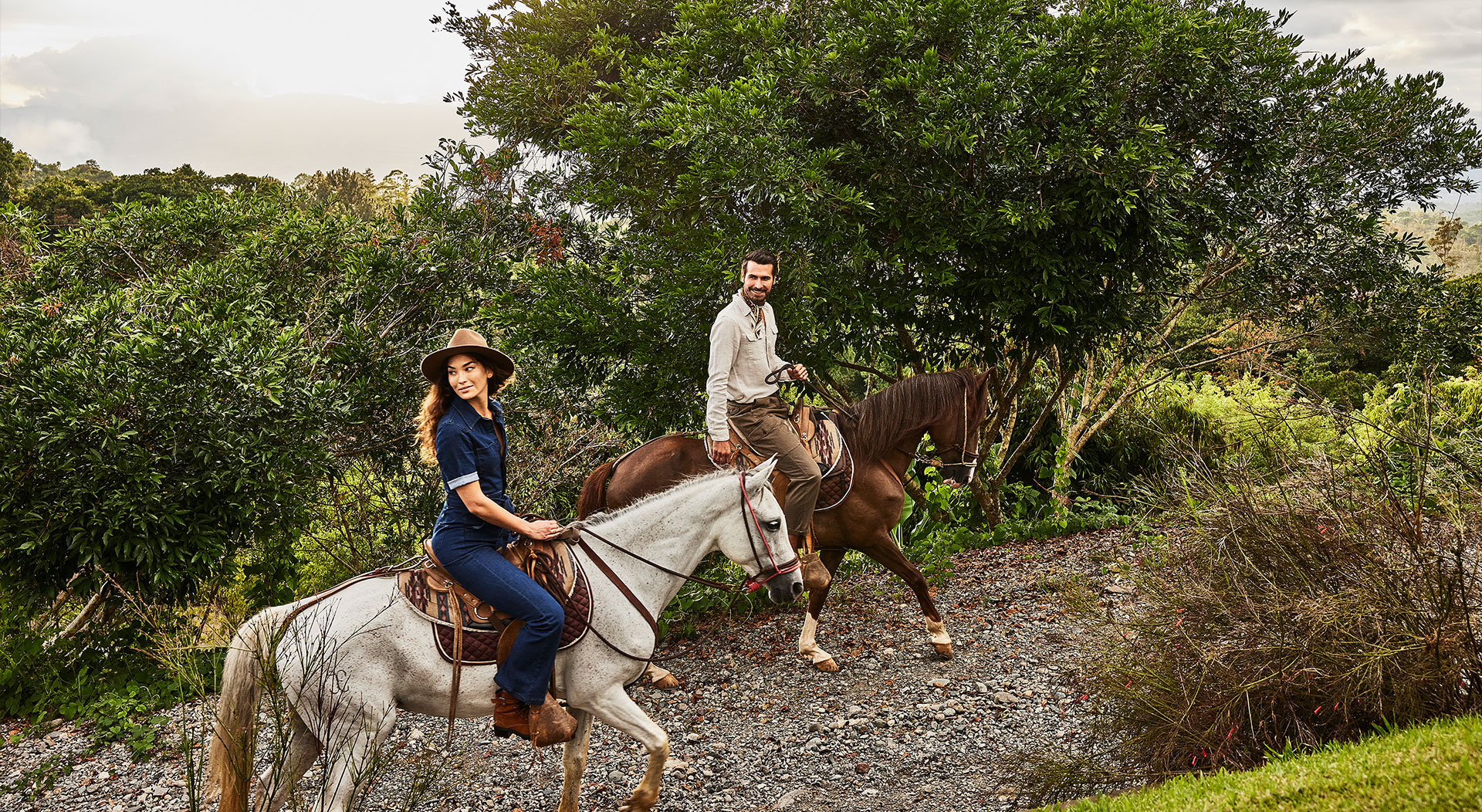
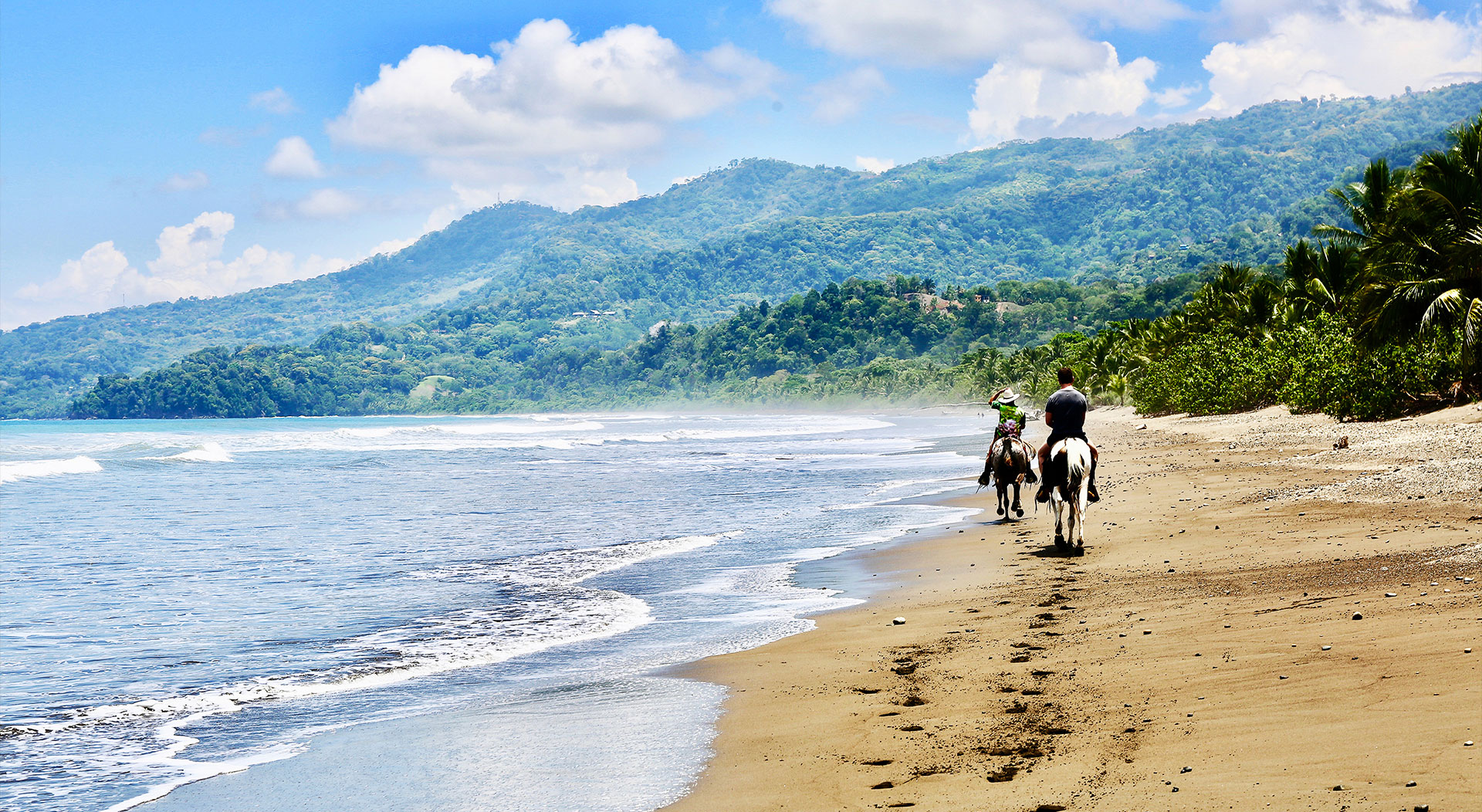
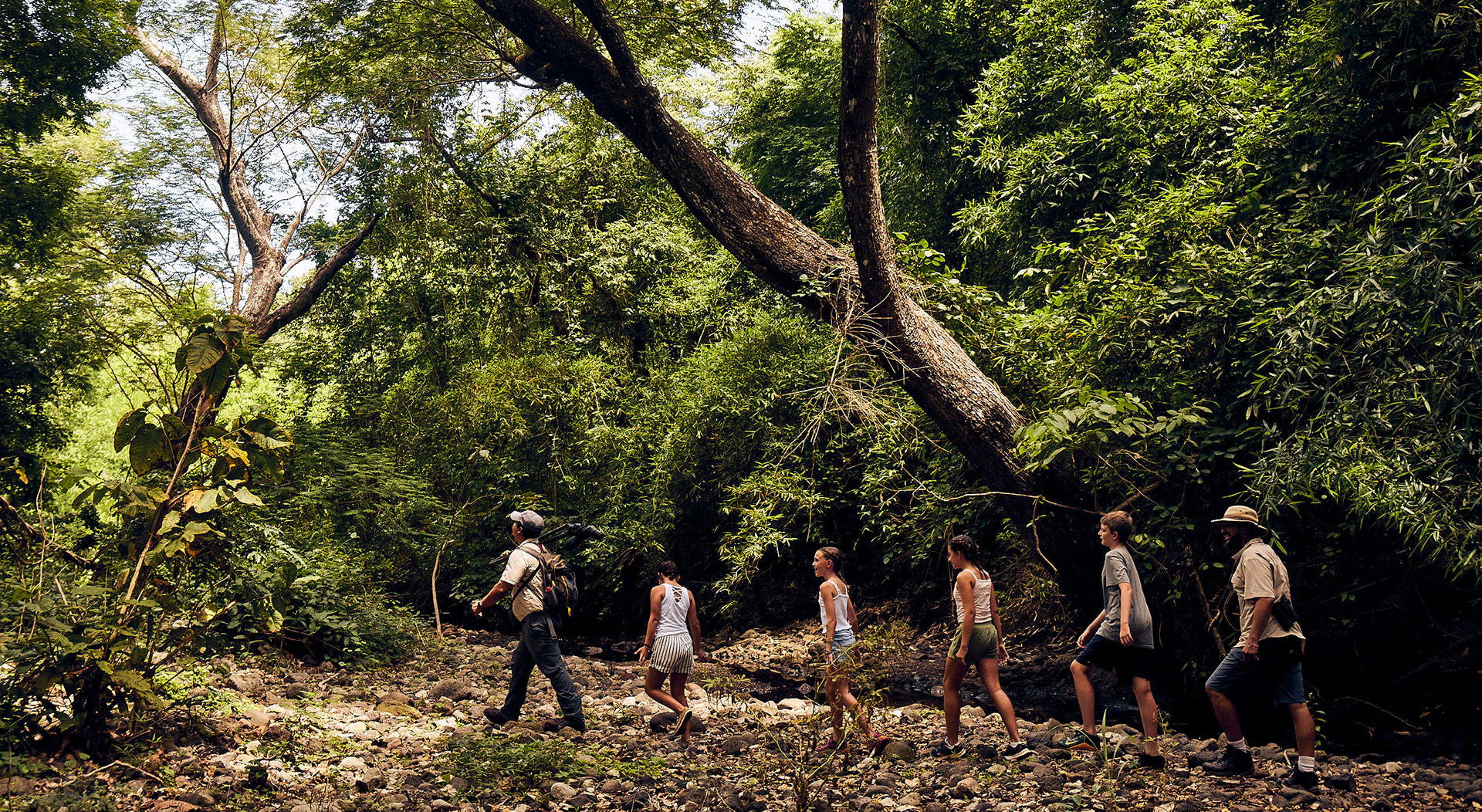
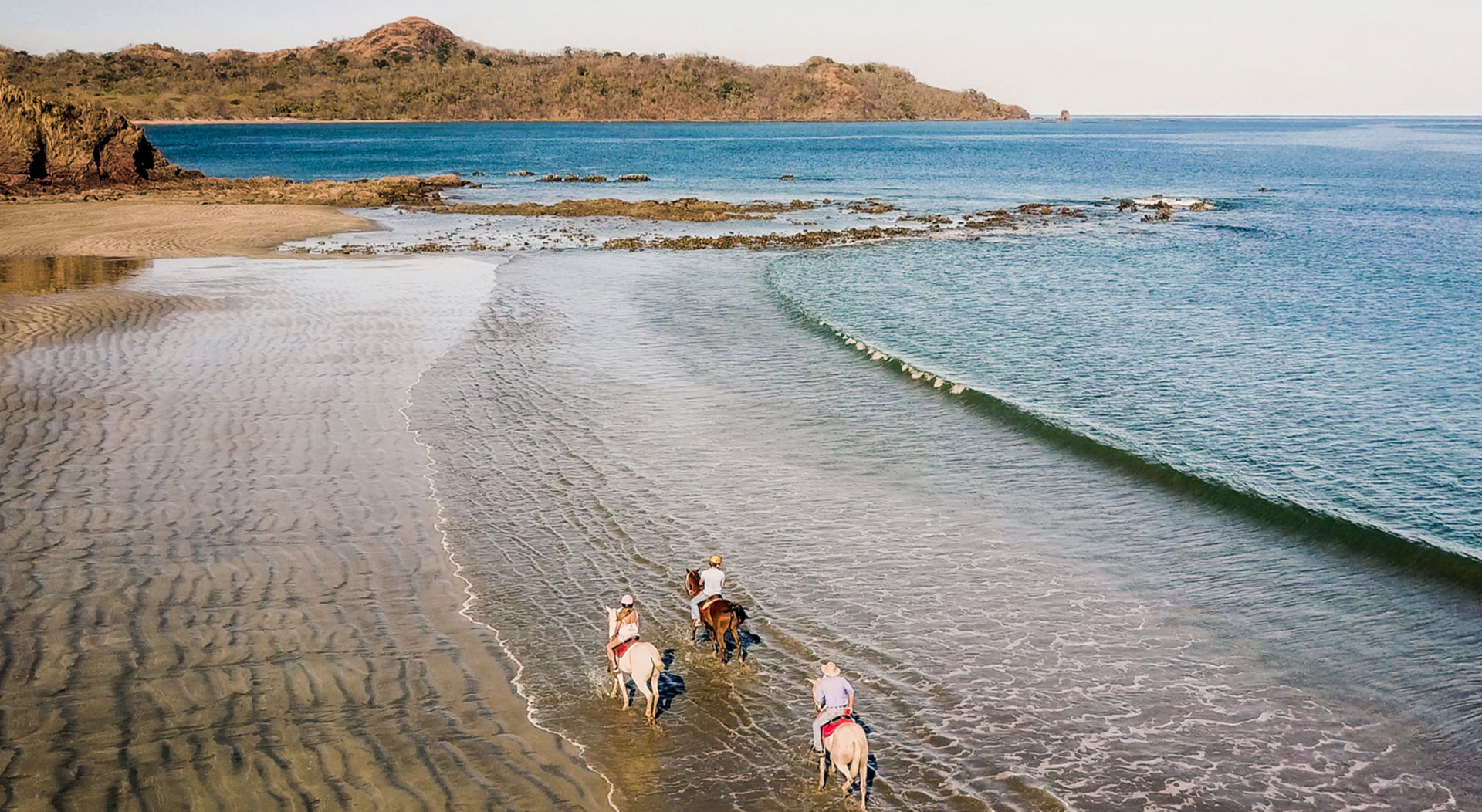
Rincón de la Vieja National Park stretches over 34,000 acres, encompassing two volcanoes, more than thirty rivers and streams, and astonishing flora and fauna. Hikes, horseback riding, relaxing in hot springs, and swimming are some of the many ways to discover this protected area.
Best Times to Visit Costa Rica

Flights
LIR, LIO, SJO, SYQ

climate
Min (°C) 22.8 — Max (°C) 30.8

Sea temperature
Min (°C) 28 — Max (°C) 32.6
- January
- February
- March
- April
- May
- June
- July
- August
- September
- October
- November
- December
Falling within the dry season, January is a popular month for visitors who come to soak up the winter sun on Costa Rica´s Pacific beaches. Aside from relaxing on gorgeous ocean-meets-jungle coastline, this period has great conditions to experience some of the country´s incredible wildlife.
Take nature hikes through Manuel Antonio National Park´s tropical rainforest to spot sloths, capuchin, spider and howler monkeys, coatis, and over 350 species of birds. January is also within migration season for the humpback whales that journey south from Alaska each winter.
February is another hot and dry month with beautiful weather across the country. Right in the heart of high season, there are endless options for things to do. This period is perfect for wildlife watching at one of Costa Rica´s 28 National Parks, volcano hikes, jungle walks, beach days, ziplining, and relaxing in geothermal pools.
For bigger waves, surfers can head to Puerto Viejo in the southern Caribbean region or paddle in at Tamarindo and Santa Teresa for more accessible conditions on the Pacific coast; Manuel Antonio also has great waves for beginners.
Dry season is high season in Costa Rica with March offering perfect weather for beach relaxing on jungle-fringed sands, nature walks in the rainforest amongst exotic birds and flowers, and amazing surf conditions on both the Pacific and Atlantic coasts.
Explore the magical cloud forests of Monteverde up in the Tilarán Mountains, where the unique ecosystem is a well-known habitat of the resplendent quetzal. Take day hikes through the reserve and night walks for a chance to spot green vipers, red-eyed frogs, and the nocturnal 2-toed sloth.
April sees the last of the dry season in Costa Rica and is one of the hottest months of the year – head to the Pacific beaches for a welcome breeze and refreshing waters. This is the last hurrah before the rainy season hits! High-altitude areas can provide a cooler climate, like the rainforests and low mists of Monteverde´s cloud forest.
Visitors traveling for spring break and Easter make this a busy time in Costa Rica, so be sure to reserve ahead of time for popular areas like the Nicoya Peninsula, Monteverde, and Arenal. For less crowds and wilder nature experiences, venture to more remote areas like the Osa Peninsula.
May is the gateway to Costa Rica´s wet summer season, known as the ´green´ season. Travelers get to see Costa Rica in a different light as the country´s beautiful flora is revitalized by the rain. Higher river levels make this a fun time for white water rafting on the Sarapiqui and Pacuare Rivers.
With less visitors compared to high season, travelers can experience popular sites like Tenorio National Park and Rio Celeste without the crowds. Mornings tend to be bright with rain generally falling in the afternoons, so exploring is still possible with a little forward planning.
June is lush and blooming, with some of Costa Rica's most amazing sites almost empty. If you don´t mind the rain, take the chance to experience the country´s breathtaking natural beauty at its greenest and quietest.
Although June gets typically less rainfall than other summer months, it´s still at the heart of rainy season and trips to places like the cloud forest, northern Caribbean coast, Guanacaste coastline and Nicoya Peninsula will be a wilder experience.
July is an interesting month in Costa Rica, while deep within the rainy season there tend to be a few weeks where the sun is out and the rains ease. The scenery is stunning, bursting with green, and with fewer visitors around it´s a great window to catch.
This is an important month for turtles in Tortuguero National Park in the northern Caribbean region. Green sea turtles, leatherbacks, and even the critically endangered hawksbill turtles can be seen nesting and hatching in this remote area, reached only by plane or boat.
The rains increase a little this month, with the warmest temperatures on the Caribbean coast and swell surfing on both sides of the country. The wet weather brings opportunities for amazing whitewater rafting in central Costa Rica, from gentle level I to powerful level V sections. Humpback whales also reappear on the mid-Pacific coastline, migrating north from Antarctica, and can be seen near the iconic whale tail sandbar in Marino Ballena National Park.
Ostional Wildlife Refuge on the Nicoya Peninsula is one of the few sites in the world where mass annual nesting migrations take place, seeing hundreds and thousands of Olive Ridley turtles come ashore to lay their eggs in August.
September opens the peak two months of prolonged heavy rainfall in tropical Costa Rica. For those who embrace the rain, the Pacific coast has some wild waves for surfing and the humpback whales continue their migration to the area.
The driest and sunniest weather is found on the Caribbean coast where visitors can head to witness sea turtle nesting and hatching in Tortuguero National Park. September hosts mid-month fiestas as locals honor Independence Day on the 15th, celebrating Costa Rica´s autonomy that was won from Spain in 1821.
One of the final and rainiest months of the wet season, October sees cooler temperatures and exuberant green landscapes. The driest and sunniest conditions can be found on the Caribbean side, where travelers can surf on the southern coast at Puerto Viejo or catch the last month of sea turtle nesting at Tortuguero National Park in the north.
Celebrate Costa Rica´s Afro-Caribbean culture at carnival in Puerto Limon, where a huge street party takes place with calypso and reggae music, colorful costumes, and tasty dishes like rondon, patis, and salsa caribeña.
As the last month of the wet season, some heavy rains are to be expected with the dry weather hitting Costa Rica´s Caribbean side first. November is a shoulder month between the rainy summer months and dry winter months, so visitors will likely experience fewer people at sites than in peak high season.
On the second day of the month, Día de Muertos is celebrated to honor departed loved ones. Originating in Mexico, Day of the Dead has become an annual tradition for many in Costa Rica, where locals hold candlelight vigils at cemeteries and adorn gravesites.
With the dry season back in full swing, December welcomes an influx of travelers to sunny, clear skies and warm weather, with limitless options to relax and explore.
Visitors can take sunny beach trips on the Pacific coast, explore National Parks teeming with wildlife and tropical plants, and escape to the cooler cloud forests of Monteverde. Soak up Costa Rica´s Afro-Caribbean culture on the Atlantic coastline, unwind in Arenal´s geothermal pools, or enjoy a luxurious winter getaway on the Papagayo Peninsula.
Let's start
Planning Your Experience
Our luxury, tailor-made journeys in Costa Rica reflect the individuality of each traveler, connecting you to your own authentic experience. With personalized attention, imaginative programs, and 24/7 in-country support, we´ll take care of the details while you live in the moment.
Travel Experiences
Stir your imagination with a collection of exhilarating itineraries dreamed up by our experts. Whether you find your inspiration in the subtle moments, the daring, or sensorial, our programs encompass experiences for all styles of luxury travel, made-to-measure. Beach lovers, adventurers, kids, couples, and eco-conscious explorers, all welcome.
Travel Experiences
Stir your imagination with a collection of exhilarating itineraries dreamed up by our experts. Whether you find your inspiration in the subtle moments, the daring, or sensorial, our programs encompass experiences for all styles of luxury travel, made-to-measure. Beach lovers, adventurers, kids, couples, and eco-conscious explorers, all welcome.